

Structural or brake failure in service
A defect in a car body, wheelset, coupler, or braking system on equipment in rail service can cause derailment or injury, driving major product liability claims.
Try a different word, or check the spelling.
Your finished cars can move on plant sidings before entering a customer's rail service. Staging, shipping, and operating terms need clear boundaries, with later product injury claims kept distinct from retrofits or withdrawal demands.
The Southern Agency can help you review rail-product claims, fabrication assets and responsibility for moving units before delivery.
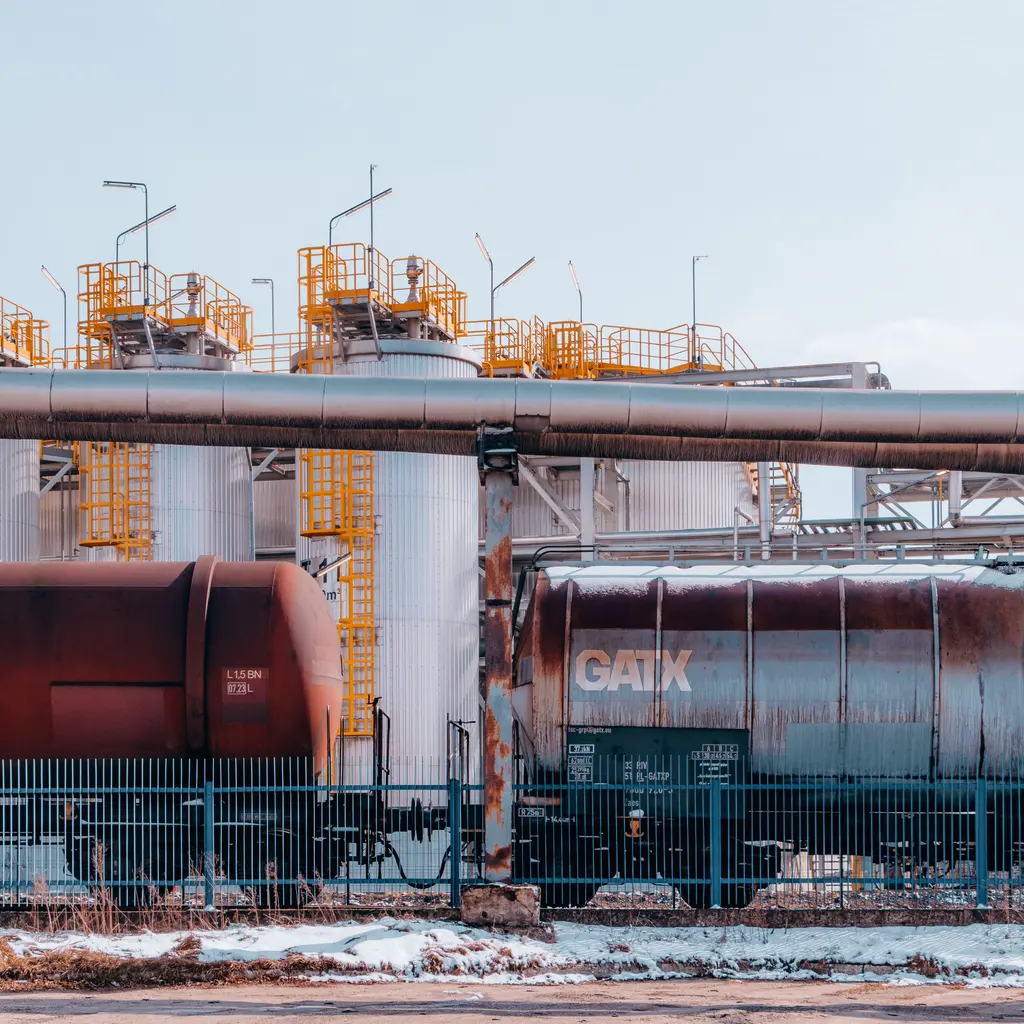
Your facility manufactures heavy rail equipment, combining metal fabrication, welding, and complex braking or coupling systems. Because these units remain in service for decades, a single design or fabrication defect can result in liability long after delivery.
The Southern Agency can review your specific fabrication and testing processes to help you select appropriate insurance. For example, we can clarify how your coverage may respond to an injury claim after a derailment versus the separate, often excluded, costs of retrofitting units for a design flaw.
A defect in a car body, wheelset, coupler, or braking system on equipment in rail service can cause derailment or injury, driving major product liability claims.
Cutting, welding, and moving massive components with cranes exposes workers to crush and overhead-load injuries.
Producing tank cars and pressurized assemblies adds risk if welds or systems fail and release contents in service.
Extensive welding, cutting, and application of paints and coatings raise the risk of a fire damaging the plant and work in progress.
Wheel lathes, presses, welding positioners, and material handling are difficult to replace, and failure can stall large production contracts.
Moving completed cars and locomotives on plant sidings creates exposure to property damage and injury during switching and loading.
Railroad and transit-authority contracts often impose specific product, liability, and indemnity terms producers must satisfy.
Policies to ask about. Which ones fit depends on your operations, your contracts, and the carrier’s forms.
These hypothetical examples are not agency claim results. Whether a loss is covered depends on the facts, policy terms, and applicable exclusions.
A coupling assembly on a delivered freight car is alleged to have failed and contributed to a derailment. Identify any resulting injury or other-property damage separately from the faulty assembly or unit. Review the products, design duties, timing, and contract restrictions, then any retrofit or withdrawal expenses separately.
A wheel lathe fails during a major contract and stalls production. Check covered internal damage and any purchased stock and income extension against repair and restart time. Normal wear or owing a late-delivery penalty is not itself insured breakdown.
Welding sparks ignite a fire that damages the building and work in progress. Review the covered fire, plant assets and owned or customer units, valuation and any purchased income terms. A rail customer’s acceptance price and contractual penalties are separate questions.
Start with the work you do and the questions your current policies leave unanswered. Carrier options depend on your location, risk, and underwriting. Explore our approach.
Describe the rail vehicles, contents and components built, design and testing duties, plant values, and rail movements. Compare product, property, internal breakdown, employee, and third-party liability with direct transit protection. No single package follows from building rolling stock.
Review plausible injury and property losses, customer requests, and risk tolerance with qualified advisers. Compare primary and excess products, rail-operation restrictions, attachment, and limits. Derailment severity does not establish available capacity or insurance for every retrofit, recall, or indemnity.
Keep serial, delivery, modification, and claim records. Under occurrence terms, the date of injury or damage matters; under claims-made terms, prior acts and when the claim is made and reported can matter. Review continuity and notice rather than assume the delivery year or current policy covers every older unit.
Identify the covered internal wheel-lathe, press, or positioner failure and the stock and income extensions purchased. Match waiting and restoration terms with repair and restart time. Wear, failed testing, retrofit work, and delayed contracts are separate questions.
Identify the owner and value of units, siding location, operator, and movement or testing stage. Compare property or transit terms with rail-operation liability and contractual duties. Staging on your siding does not itself insure every unit or switching loss.
Bring railroad and transit-authority limits, indemnities, additional-insured, and sidetrack terms. Compare those requests with issued wording and the products, design, testing, and movement duties included. Neither a contract nor a certificate adds coverage or assures all requirements can be met.
Bring your questions, current policies, and relevant contracts. An agent can review coverage terms, exclusions, and the information carriers ask for, then explain the options available to you.