

Anglers aboard
Wet decks, hooks, and moving gear can cause injuries.
Try a different word, or check the spelling.
Your tackle and navigation gear may leave the dock with paying anglers, not stay on insured shore premises. Marine, passenger, and gear protection should fit the trips you offer, including whether any overboard loss and deckhand duties are accepted.
Describe passenger count, actual routes, crew duties and tackle or electronics values, including any overboard-loss terms.
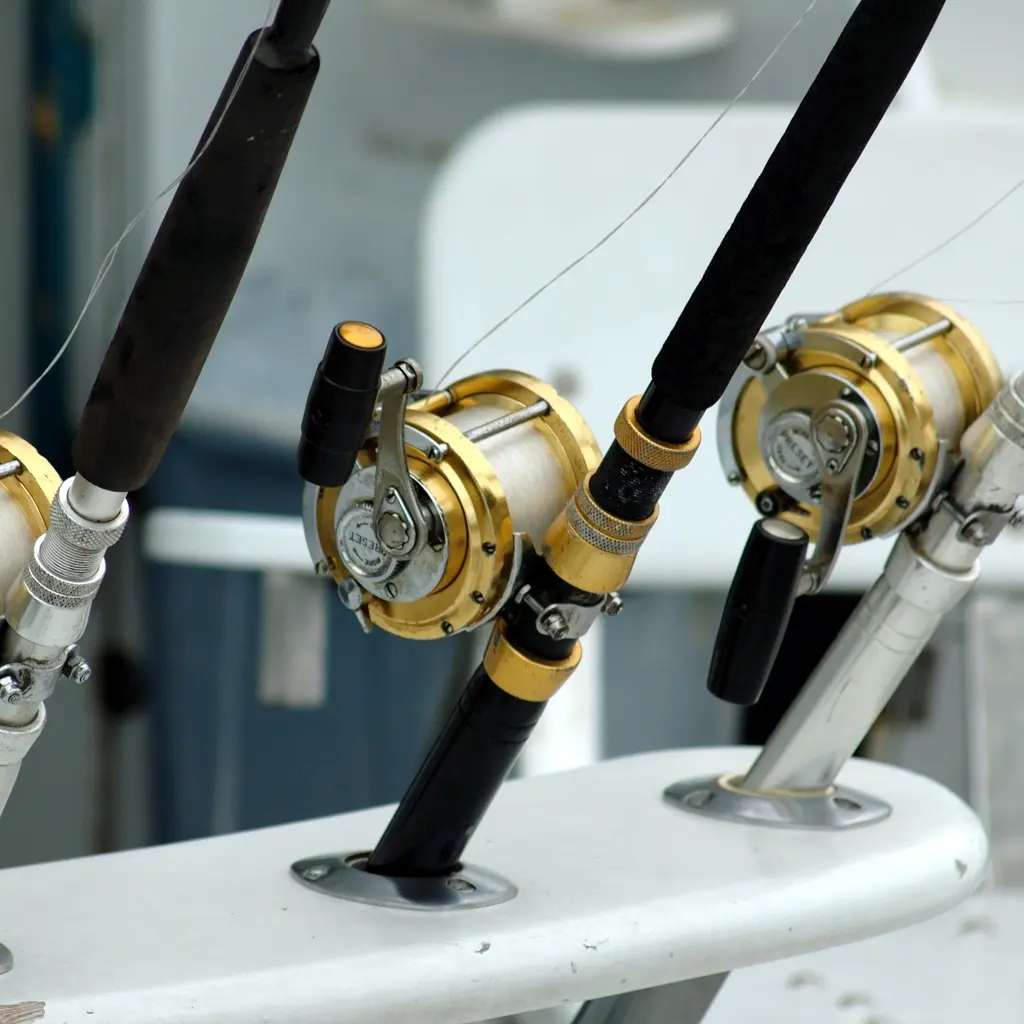
You take paying anglers out on a working boat, handling tackle and moving passengers around the deck. A hook injury, grounding or injured deckhand can leave you facing different passenger, vessel and employer costs.
The Southern Agency can review your trips, boat, and crew arrangements to help you select insurance. We can discuss passenger liability, hull protection and the applicable crew obligations rather than assuming an ordinary business policy addresses all three.
Wet decks, hooks, and moving gear can cause injuries.
Weather, range, and boarding arrangements affect passenger allegations.
Grounding, collision, or storm can stop trips.
Deck work and portable fishing equipment require separate protection.
A spill can create cleanup and third-party claims.
Policies to ask about. Which ones fit depends on your operations, your contracts, and the carrier’s forms.
These hypothetical examples are not agency claim results. Whether a loss is covered depends on the facts, policy terms, and applicable exclusions.
Suppose an angler alleges that a hook injury resulted from unsafe tackle handling by the crew. Review the actual duty, paying-passenger activity and navigation terms under accepted marine liability. Dockside general liability or a signed waiver does not establish every underway passenger claim is insured.
Suppose the charter boat grounds during a trip. Actual hull and machinery terms determine eligible vessel damage, navigation limits and deductible. Passenger injury, salvage or removal duties and canceled-trip income need their own grants; shore property limits do not establish the boat's protection.
Suppose fuel is released while the boat is being filled at a marina. Identify the actual release and operator or marina responsibility, then compare accepted vessel pollution and response terms. Cleanup, third-party damage and fines are separate questions rather than an automatic benefit from carrying liability.
Start with the work you do and the questions your current policies leave unanswered. Carrier options depend on your location, risk, and underwriting. Explore our approach.
Review hull, passenger liability, crew, gear, and pollution interests for actual trips.
Paying passengers must fit the insured activity, count, and navigation terms.
Crew duties need applicable maritime injury review rather than an automatic state-compensation assumption.
Overboard or saltwater loss needs accepted gear perils and values.
Fuel-release response depends on pollution wording and the event.
Actual routes and operating waters affect accepted navigation; do not rely on a general offshore label.
Bring your questions, current policies, and relevant contracts. An agent can review coverage terms, exclusions, and the information carriers ask for, then explain the options available to you.