

Working crews
Winches, nets, and rough decks can cause serious injuries.
Try a different word, or check the spelling.
Your net, trap or electronics loss at sea is a different interest from repairing a disabled boat or replacing spoiled catch. Fleet protection should identify each vessel and its gear, with crew, catch, and fuel-release terms checked separately.
Schedule every hull and charter interest, deployed gear, peak catch and shared shore facilities, with actual crew roles.
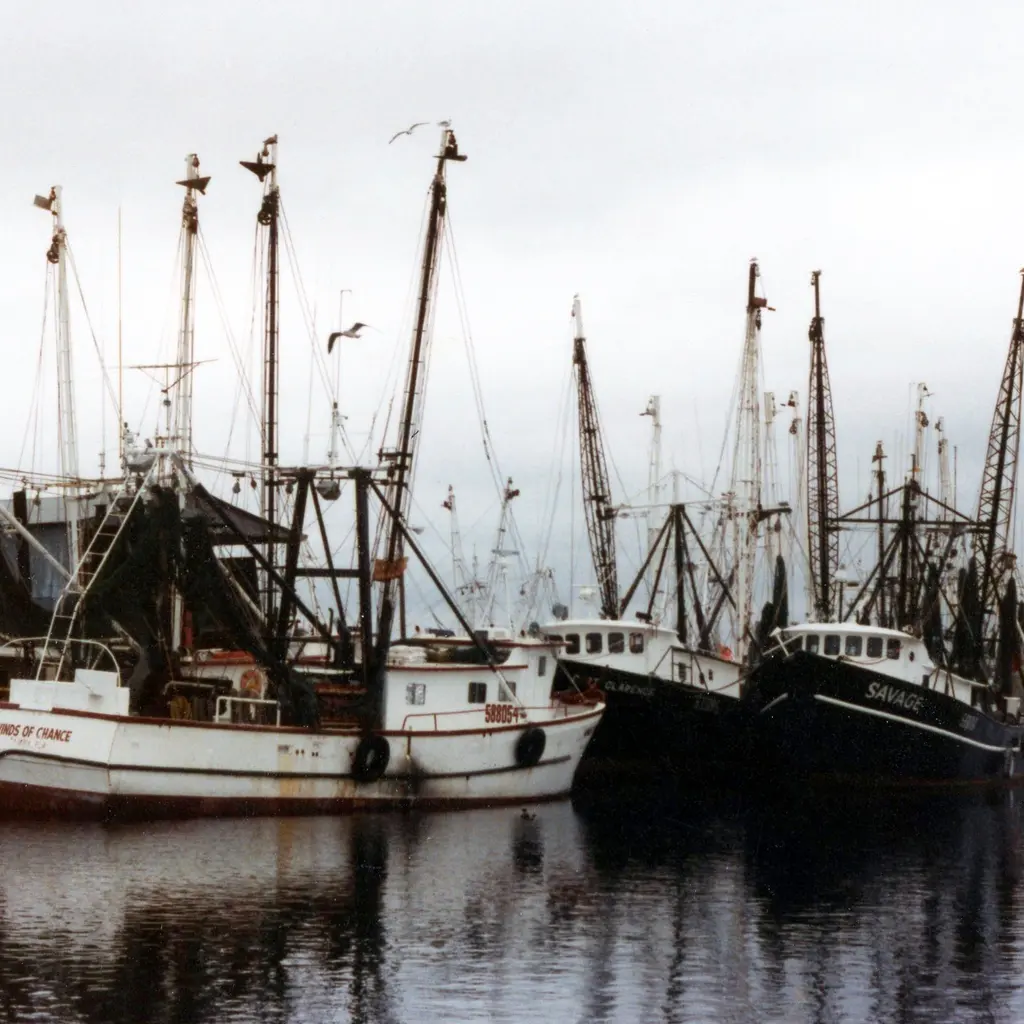
You rely on boats, crews, and shore services to land and handle your catch. A disabled vessel can reduce harvesting capacity, while failed refrigeration can damage catch already brought aboard or ashore.
The Southern Agency can review your vessels, fishing activities, and catch handling to help you choose insurance. We can discuss hull and marine liability interests separately from any accepted catch-spoilage benefits and the work-injury obligations for your crews.
Winches, nets, and rough decks can cause serious injuries.
Fire, collision, or sinking can remove one hull from service.
Cooling failures can harm catch and bait.
Nets, traps, and electronics may be lost or damaged at sea.
Fuel releases or shore-facility damage can affect several boats.
Policies to ask about. Which ones fit depends on your operations, your contracts, and the carrier’s forms.
These hypothetical examples are not agency claim results. Whether a loss is covered depends on the facts, policy terms, and applicable exclusions.
Suppose a deckhand is injured while working a winch. Identify the actual employer, role and applicable maritime injury arrangement before comparing benefits and employer liability. A fleet listing or ordinary shore workers compensation does not itself establish every crew member's protection.
Suppose refrigeration fails during a trip and catch spoils. Accepted machinery terms determine eligible repair; spoilage needs its own included catch interest, cause and limits. The catch's market value, missed sales commitments and continued fishing income are not automatic machinery benefits.
Suppose an engine-room fire disables one boat. Hull terms determine eligible vessel repairs, while any purchased income needs the affected interest and defined restoration provisions. Other boats' continued work, shared landing facilities and missed quotas require actual facts rather than an assumption of fleet-wide recovery.
Start with the work you do and the questions your current policies leave unanswered. Carrier options depend on your location, risk, and underwriting. Explore our approach.
A fleet schedule coordinates interests across hulls without assuming all boats have identical terms.
Working crews need the actual maritime injury regime and insured duties reviewed.
Spoilage requires accepted catch interests and a qualifying cooling failure.
Gear perils may exclude wear, snagging or unexplained disappearance; inspect the actual form.
A boat loss can disrupt harvesting, but recovery still follows the applicable hull and income terms.
Pollution schedules and limits need the actual boats, fuel, and locations.
Bring your questions, current policies, and relevant contracts. An agent can review coverage terms, exclusions, and the information carriers ask for, then explain the options available to you.