

Deck work
Pots, coiled lines, and hydraulic hauling gear can crush or entangle.
Try a different word, or check the spelling.
Your pots remain exposed while deployed, while live catch depends on holding and aeration after retrieval. Gear and machinery protection should distinguish lost pots from repair costs and mortality, with the actual at-sea and live-stock interests accepted.
Talk with The Southern Agency about your operation, policy terms, and the information carriers need.
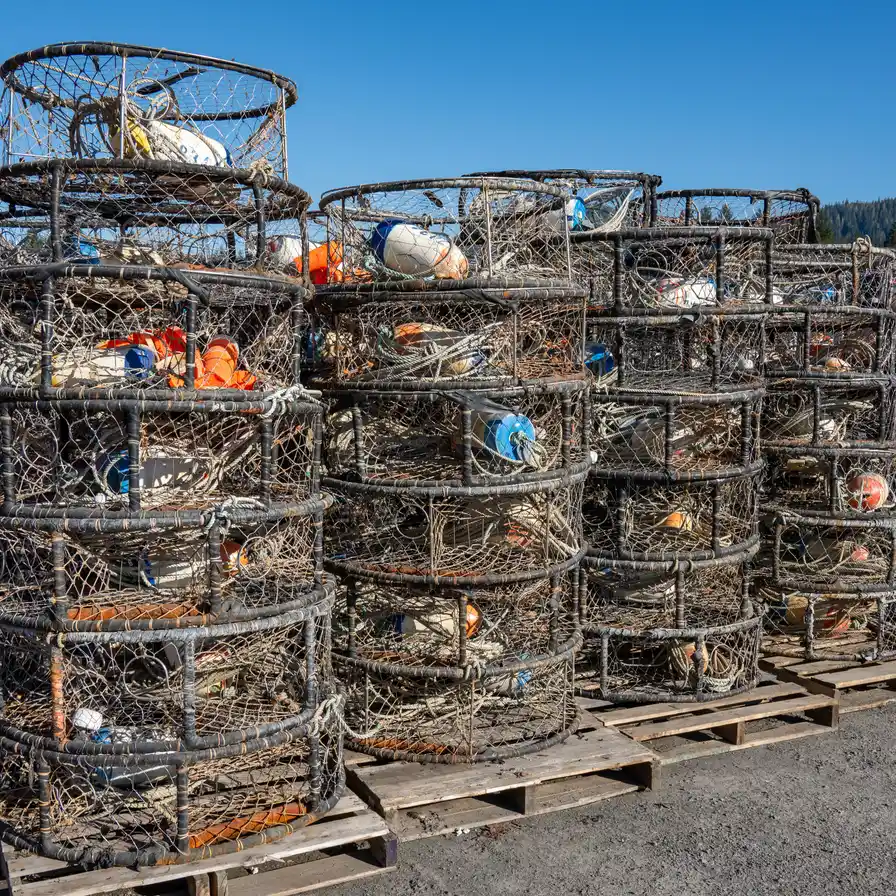
You set and retrieve heavy pots and lines, then keep your catch alive until landing. A parted line can lose gear, while a failed holding or aeration system can damage live catch without causing the same kind of equipment loss.
The Southern Agency can review your vessel, deployed gear, and live-holding arrangements to help you select insurance. We can discuss marine liabilities and equipment interests, keeping lost pots, machinery repairs, and mortality as separate coverage questions.
Pots, coiled lines, and hydraulic hauling gear can crush or entangle.
Storms, snags, or broken lines can lose pots and buoys.
Circulation and aeration failures can damage held stock.
Cold water, icing, and remote operations affect hull and navigation.
Fuel releases and short-season downtime create different losses.
Policies to ask about. Which ones fit depends on your operations, your contracts, and the carrier’s forms.
These hypothetical examples are not agency claim results. Whether a loss is covered depends on the facts, policy terms, and applicable exclusions.
A swinging pot pins a deckhand during retrieval. The worker's role, employer and applicable maritime law determine the relevant injury and employer-liability arrangements. Ordinary workers compensation should not be assumed to cover the crew's at-sea work.
A storm parts a string and several deployed pots are lost. Gear protection must accept deployed items, navigation area and the storm or disappearance cause. A schedule of gear stored ashore does not establish replacement of pots at sea.
An aeration pump fails and held crab die before landing. Machinery terms may address an included pump failure, while live-catch protection needs explicit acceptance of the stock and cause. Paying for the pump does not establish payment for the catch or missed seasonal sales.
Start with the work you do and the questions your current policies leave unanswered. Carrier options depend on your location, risk, and underwriting. Explore our approach.
Heavy pot and line handling makes accurate maritime crew terms important; no injury-frequency ranking is asserted here.
Lost deployed gear must fit the scheduled items and perils, not just a general portable-equipment label.
Live-catch loss needs express review apart from breakdown repairs.
Actual waters, weather exposure, and surveys affect accepted navigation terms.
Hydraulic or fuel cleanup depends on insured material and release conditions.
A short season increases potential financial impact but does not itself trigger income cover.
Bring your questions, current policies, and relevant contracts. An agent can review coverage terms, exclusions, and the information carriers ask for, then explain the options available to you.