

Passengers
Gangways, stairs and crowded decks can expose passengers during boarding and crossings. Terminal control and vessel duties can overlap at the transfer; visitor premises insurance is not automatically passenger carriage protection.
Try a different word, or check the spelling.
Your terminal ramp, vessel, and a passenger's car involve different property and carriage interests. Shore, marine, and worker protection should follow boarding and crossing duties, while a ticketing breach or terminal machinery failure needs its own review.
The Southern Agency can review your crossings and terminal handoffs with you, including any vehicle carriage and the records your ticketing providers handle.
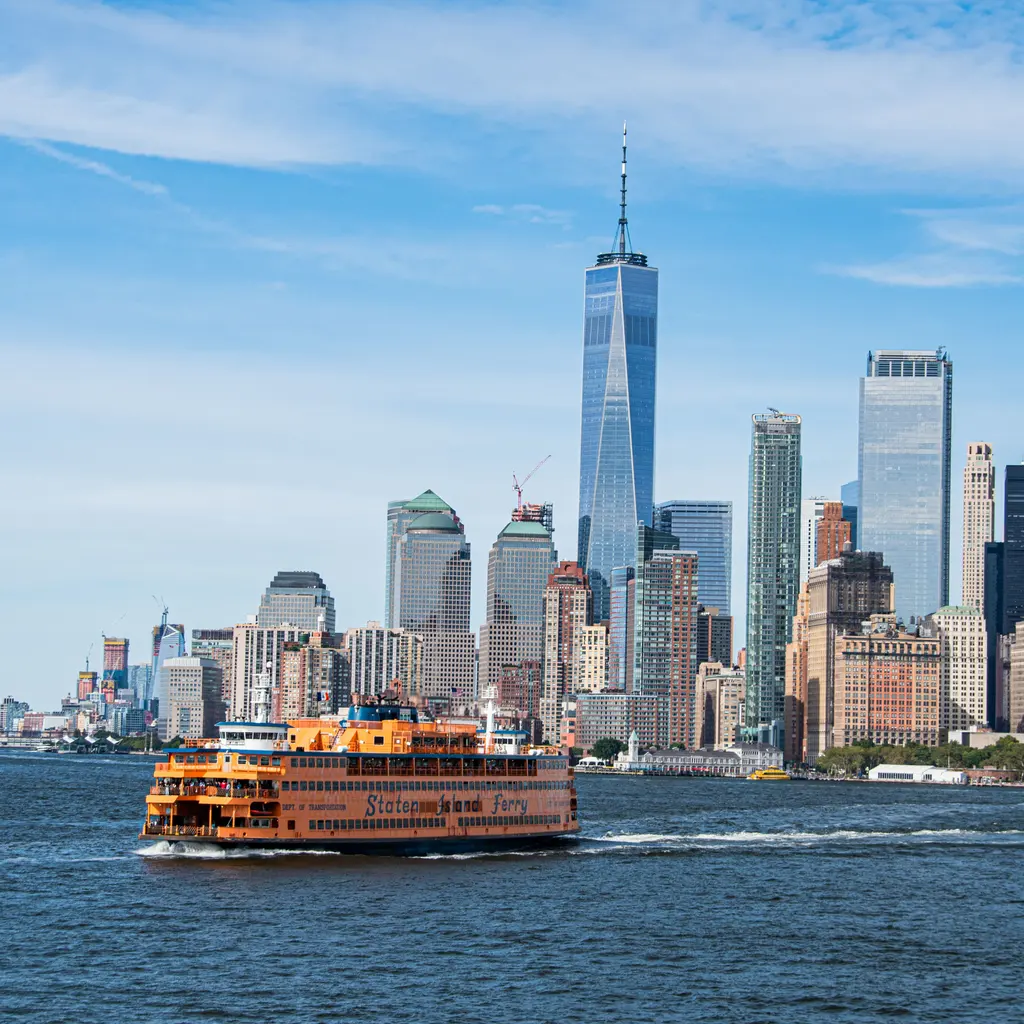
You carry passengers on repeated crossings, with vehicle loading if your ferry offers it. Boarding injuries, docking damage or a disabled vessel can affect a whole route, while a car in your custody brings a different property and carriage question.
The Southern Agency can review your terminal operations, vessel transit, and loading procedures to help select appropriate insurance. For example, we can examine how your marine liability and workers' compensation coverage address specific crew duties and passenger claims during crossings.
Gangways, stairs and crowded decks can expose passengers during boarding and crossings. Terminal control and vessel duties can overlap at the transfer; visitor premises insurance is not automatically passenger carriage protection.
Where vehicles are carried, loading and discharge can damage a car or injure a pedestrian. Vehicle custody, ramp ownership and crew direction matter separately from the ferry's hull and the passenger's injury.
Repeated approaches can damage a ferry, ramp or another structure. Ownership and cause determine the property versus liability interests; schedule pressure does not establish insured repair or route income.
Deck, engine, ramp and terminal tasks create different worker exposures and potentially different injury arrangements. Actual employer and duties matter, not a blanket assumption that ordinary state compensation covers everyone.
Ticketing/payment breaches, disabled propulsion or ramp machinery and fuel releases have different triggers. A canceled crossing alone proves neither insured machinery damage, a cyber event nor a pollution claim.
Policies to ask about. Which ones fit depends on your operations, your contracts, and the carrier’s forms.
These hypothetical examples are not agency claim results. Whether a loss is covered depends on the facts, policy terms, and applicable exclusions.
Suppose a passenger falls while crossing the gangway. Identify who controls it and the actual boarding and vessel duties, then compare accepted passenger/terminal liability and any medical-payment terms. A ticket or waiver does not establish negligence, automatic payment or ordinary GL acceptance aboard.
Suppose a ferry contacts its loading ramp and both are damaged. Identify each owner, the cause and accepted hull/machinery or terminal-property terms, with other-party liability separately. Lost crossings need applicable income terms; two damaged assets do not prove all repair and route losses insured.
Suppose unauthorized access exposes ticket purchasers' records. Map what you and the booking/payment providers hold, then compare insured privacy/security events, selected response, reporting and consent. Processor use does not insure every assessment, refund or ticket-system outage.
Start with the work you do and the questions your current policies leave unanswered. Carrier options depend on your location, risk, and underwriting. Explore our approach.
Review actual passenger and any vehicle carriage, vessels/hull, ramps and terminals, crew/shore workers, records and fuels. Marine passenger and vessel terms need explicit acceptance. Ordinary terminal GL/property insurance is not protection for the whole ferry operation.
Bring the boarding arrangement, gangway/ramp control, capacity and crossing duties. Compare accepted marine passenger and terminal liability, relevant exclusions and any medical payments. A passenger ticket or terminal GL label does not establish every boarding or underway injury covered.
Map actual passenger/payment data, booking systems and provider responsibilities. Compare covered security/privacy events, response and any selected interruption or payment-assessment terms. Using a processor does not remove all your duties or insure every outage, refund or fraud.
Identify who controls loading, the cause, vehicle owner and carriage agreement. Review accepted vehicle-custody and marine liability terms separately from hull or ramp property and passenger injury. A loading ticket does not create direct all-risk car insurance or make every loss ordinary premises GL.
Describe each employer and deck, engine, ramp and terminal duties. Compare applicable maritime crew and shore-worker arrangements under the actual rules. Working at one ferry route does not mean ordinary state compensation fits every worker.
Establish the actual hull, machinery, terminal or other cause and the income protection purchased. Check waiting/restoration periods, limits, alternate capacity and restart. Weather-only cancellation, preventive maintenance and all refunded tickets are not automatically insured route income.
Bring your questions, current policies, and relevant contracts. An agent can review coverage terms, exclusions, and the information carriers ask for, then explain the options available to you.