

Loaded rigging
Doors, cables, and winches can part or strike crew.
Try a different word, or check the spelling.
Your hold's catch value and the nets, doors and rigging deployed outside the boat are separate interests on a long trip. Gear, machinery and spoilage protection should identify each value and accepted cause, alongside maritime crew and hull terms.
Describe deployed gear sets, freezer and hold values, trip length and actual crew work rather than relying on one vessel limit.
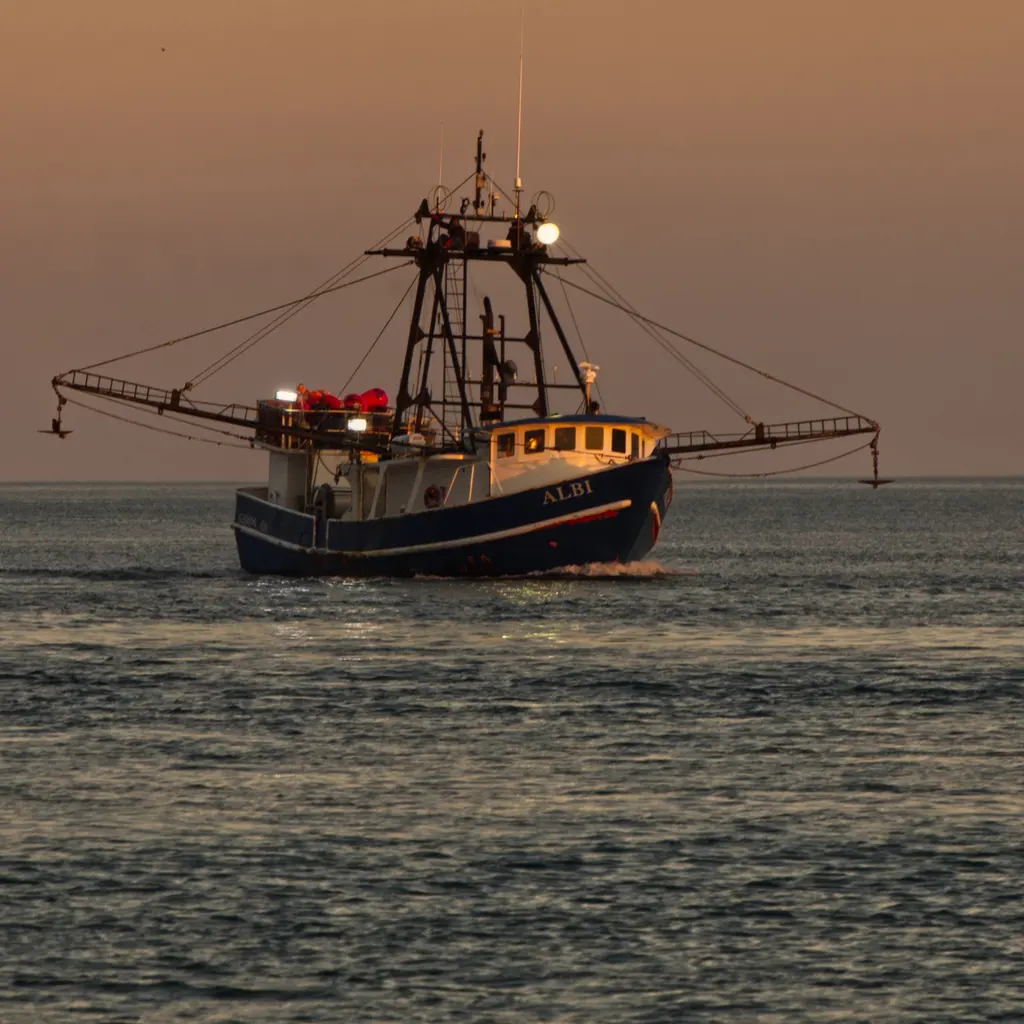
You manage shrimp trawler operations, which involve hauling nets and processing the catch for days at sea. A freezer malfunction or a workplace injury involving trawl equipment can disrupt your voyage and lead to unexpected financial loss.
The Southern Agency can review your trawling operations, freezing systems and crew duties to help you select appropriate insurance. We can separate hull and crew arrangements from gear and catch-spoilage terms, so machinery repair is not mistaken for protection of the whole hold.
Doors, cables, and winches can part or strike crew.
Snags and tears can damage expensive deployed gear.
Freezing or icing failure can affect a whole hold.
Long trips expose hulls to casualty and weather.
Larger carried volumes can affect cleanup and liability needs.
Policies to ask about. Which ones fit depends on your operations, your contracts, and the carrier’s forms.
These hypothetical examples are not agency claim results. Whether a loss is covered depends on the facts, policy terms, and applicable exclusions.
Suppose a trawl cable parts and injures a deckhand. Review the actual employer, deck work and applicable maritime injury provisions. Ordinary shore workers compensation or an equipment schedule does not alone establish crew benefits or liability arising from the injury.
Suppose the freezer fails offshore and shrimp spoil before the boat returns. Machinery repair and spoiled catch need separate accepted causes, interests and values. Check actual storage and navigation terms; the failure alone does not insure every discarded load, missed buyer delivery or harvesting day.
Suppose a net catches an obstruction and tears. Review the actual gear schedule and accepted snagging or accidental-damage terms, including exclusions and valuation. Listing the net does not establish every tear is insured; ordinary deterioration and lost fishing time are separate questions.
Start with the work you do and the questions your current policies leave unanswered. Carrier options depend on your location, risk, and underwriting. Explore our approach.
Review hull, crew, gear, catch, and pollution interests separately.
Nets and doors must fit scheduled equipment and perils; ordinary deterioration is different.
Freezer breakdown alone does not establish spoilage cover on shrimp.
Working crews need maritime injury review rather than an ordinary compensation assumption.
Actual routes and operating waters determine accepted navigation terms.
Fuel cleanup depends on the insured release and responsibility, not tank size alone.
Bring your questions, current policies, and relevant contracts. An agent can review coverage terms, exclusions, and the information carriers ask for, then explain the options available to you.