

Passengers moving aboard
Stairs, decks, and rails can lead to injury allegations.
Try a different word, or check the spelling.
A guest's fall between decks is not a landing-premises claim simply because the cruise starts at your dock. Review passenger protection for the actual vessel and trip.
Talk with The Southern Agency about your operation, policy terms, and the information carriers need.
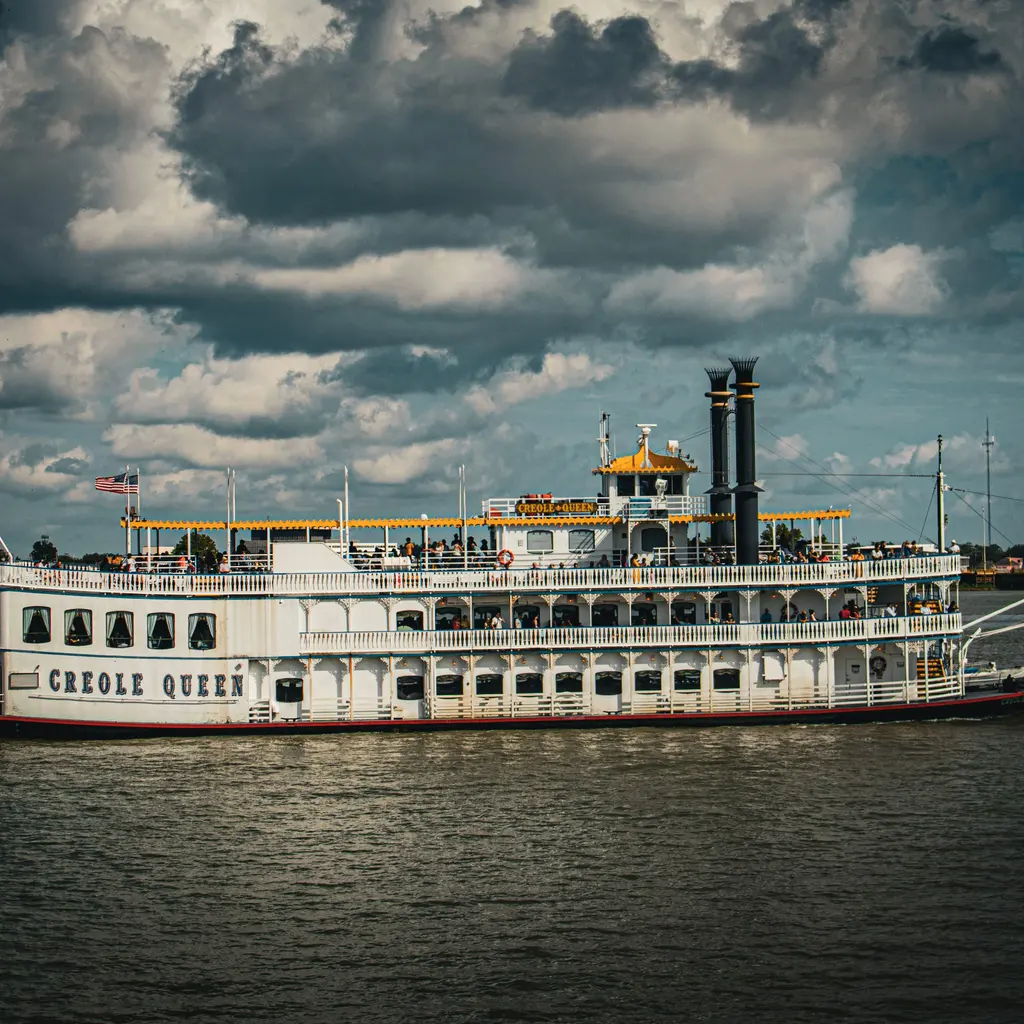
You host sightseeing excursions, dining, and private events on riverboats during inland cruises. Navigating shallow water and managing hospitality services can lead to incidents like a guest fall between decks or hull damage from a grounding.
The Southern Agency can review your onboard hospitality, events and navigation schedule to help select appropriate insurance. We can distinguish landing property from the marine passenger, hull and machinery protection your actual cruises need.
Stairs, decks, and rails can lead to injury allegations.
Meals and alcohol add service-related claims.
Shallows, debris, and repeated docking can damage vessels.
Navigation, lines, and service duties may need maritime injury review.
Data incidents and weather cancellations create different losses.
Policies to ask about. Which ones fit depends on your operations, your contracts, and the carrier’s forms.
These hypothetical examples are not agency claim results. Whether a loss is covered depends on the facts, policy terms, and applicable exclusions.
A guest falls on stairs between decks and alleges an unsafe handrail. Accepted marine passenger terms may address covered defense and damages. The onboard condition, insured cruise and liability facts matter; shore-side premises insurance alone does not establish a response.
The riverboat grounds on a shoal and sustains hull damage. Suitable hull terms may address an included loss within accepted navigation and valuation provisions. Repairing the vessel does not automatically reimburse passenger refunds or every canceled sailing.
After a private cruise, an injured third party alleges the onboard bar overserved a guest. Accepted marine/event alcohol terms may address covered defense and damages. Identify the operator and caterer's actual service roles rather than assuming either party's policy handles every allegation.
Start with the work you do and the questions your current policies leave unanswered. Carrier options depend on your location, risk, and underwriting. Explore our approach.
Start with suitable marine passenger liability and hull terms for the actual routes, capacity and cruises. Review crew arrangements, shore property, bar service and ticket data around that operation. A general commercial package does not by itself establish vessel protection.
Review who supplies and serves drinks, including any caterer or private-event host. Accepted liquor provisions must fit the vessel, cruise and service role; a separate bar contract does not itself transfer every responsibility.
Marine passenger liability may address covered defense and damages where the vessel, route and event are accepted. Ordinary landing GL is not proof of that protection. Describe public excursions and private charters rather than assuming both have identical terms.
Grounding damage depends on hull terms, navigation, and the incident.
Ticket-data responsibility matters even where an outside system processes payments.
High water or storms alone do not establish income cover; inspect separately offered cancellation or interruption terms.
Bring your questions, current policies, and relevant contracts. An agent can review coverage terms, exclusions, and the information carriers ask for, then explain the options available to you.