

Skip to content

Marine & Maritime Insurance

The people and property you are responsible for may change at the dock. Your insurance should follow the actual vessel, freight, fishing or waterfront duties, without assuming a shore policy includes every marine interest.

The Southern Agency can help you evaluate your marine operations and select the right coverage.
Explore insurance for 15 business types.

Find your business

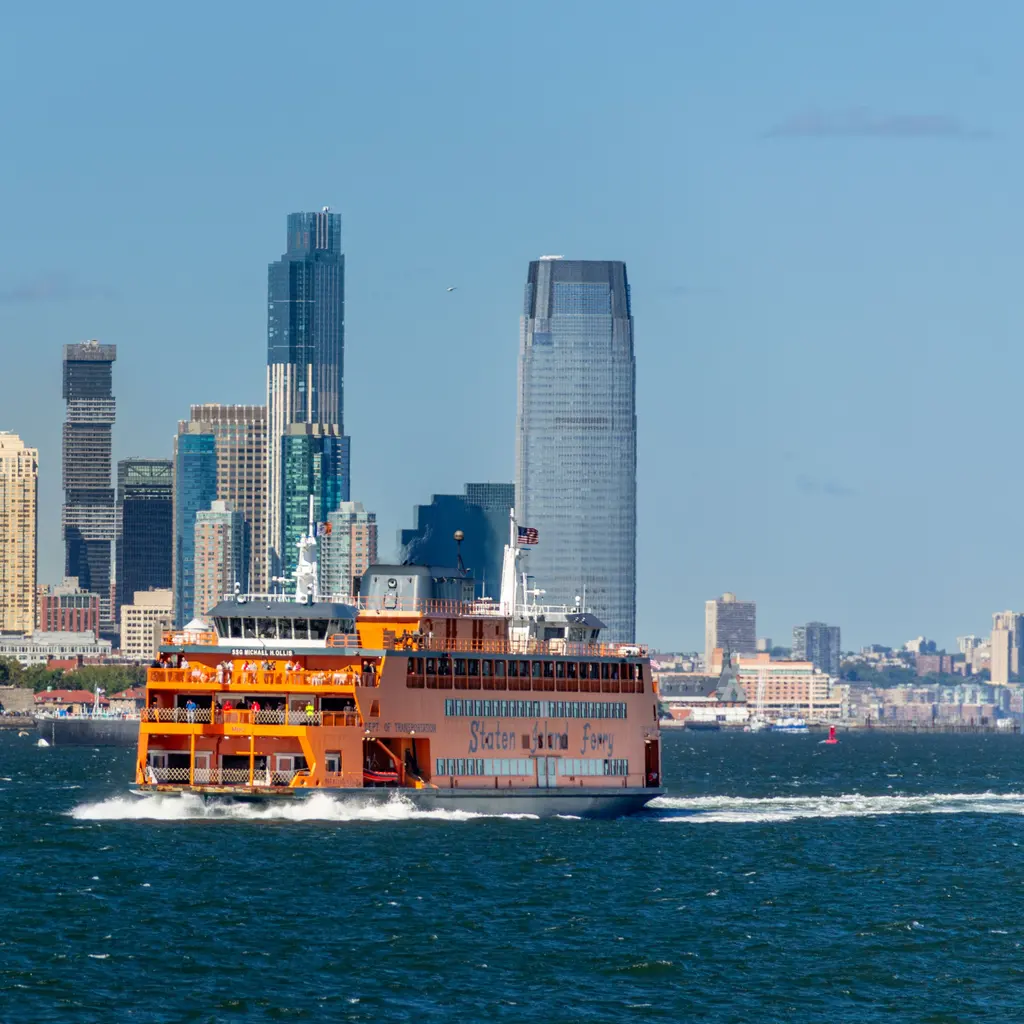
An orange passenger ferry under way with a city skyline behind it.

Operations within this group

You may operate vessels, move freight, catch seafood or work on waterfront property, with different responsibilities at sea and ashore. A damaged vessel, lost cargo or injured crew member can interrupt work and involve different insurance needs.

The Southern Agency can review your actual marine activities and help you compare appropriate coverage. Vessel, cargo and maritime employee terms need separate attention from ordinary shore-property and premises liability, depending on the work you undertake.

Find your business

Choose your business type to discuss insurance with The Southern Agency. If it isn’t listed, call an agent to ask whether we can place it.

  1. Barge CarrierBarge carrier insurance separates cargo responsibility, barges, tow operations, crew duties, and waterway pollution.
  2. Cargo Shipping LineCargo shipping line insurance coordinates vessel, carriage, logistics-system and corporate management interests.
  3. Charter Fishing BoatCharter fishing boat insurance considers paying anglers, navigation, tackle, vessel damage, and crew responsibilities.
  4. Coastal Cargo TransporterCoastal cargo transporter insurance considers water and road legs, cargo handoffs, and different worker duties.
  5. Commercial Fishing FleetCommercial fishing fleet insurance coordinates every hull, working crew, fishing gear, and perishable catch.
  6. Crabbing OperationCrabbing operation insurance considers heavy pot work, deployed gear, live holding systems, and seasonal vessel use.
  7. Ferry ServiceFerry service insurance considers scheduled crossings, passengers, vehicle loading, terminals, and the working crew.
  8. Inland Water Freight OperatorInland water freight insurance considers cargo responsibility, locks, changing channels, and working crews.
  9. Marine Tug ServiceMarine tug service insurance considers ship assists, towage contracts, tug machinery, and line-handling crews.
  10. Offshore Supply VesselOffshore supply vessel insurance considers platform contact, transferred cargo, station keeping, and offshore contracts.
  11. Passenger Cruise ShipPassenger cruise ship insurance considers living aboard, marine passenger claims, ship systems, records, and crew duties.
  12. Riverboat ServiceRiverboat service insurance considers excursion passengers, onboard dining, repeated docking, and changing inland conditions.
  13. Shellfish Harvesting BoatShellfish harvesting boat insurance considers food allegations, dredging crews, shallow-water navigation, and chilled catch.
  14. Shrimp TrawlerShrimp trawler insurance considers loaded gear, maritime crew work, freezing systems, and longer vessel trips.
  15. Tugboat OperatorTugboat operator insurance considers the loaded tow, barges and cargo, crew work and waterway structures.

Risks across this group

Vessel damage and loss

Vessels face collision, grounding, weather, and sinking exposure on the water.

Crew injuries

Maritime work carries serious injury risk under specialized legal frameworks.

Cargo and freight exposure

Goods transported by water can be damaged or lost in transit.

Pollution and environmental risk

Spills and discharges can create environmental liability.

Dock and premises hazards

Marinas and waterfront facilities create slip, fall, and property exposure.

Weather and remote operations

Weather and distance from shore complicate response and increase severity.

Situations to think through

These hypothetical examples are not agency claim results. Whether a loss is covered depends on the facts, policy terms, and applicable exclusions.

  1. Hypothetical: Dock injury

    A visitor is injured on a marina dock. General liability may help respond to the bodily-injury claim, subject to policy terms.

  2. Hypothetical: Pollution event

    A fuel spill occurs during operations. Environmental liability may help with cleanup and third-party claims, subject to terms.

  3. Hypothetical: Waterfront property damage

    A storm damages marina buildings and equipment. Commercial property coverage may help with repairs, subject to terms.

Before you talk to an agent

What to have ready

Tick items as you gather them. Nothing here is saved or sent.

Questions to raise

  • Compare the vessel schedule and navigation territory with actual routes, seasonal changes, towing, passenger use, and charter arrangements before a voyage.
  • Distinguish damage to the operator's vessel, liability for another vessel or a tow, and loss of cargo. Inland marine is not a substitute label for hull, P&I, or marine cargo coverage merely because a voyage is on a river.
  • List crew and shore duties by location. Some shore-side maritime work can fall under the Longshore Act; standard state workers compensation is not a safe assumption for every dock worker.
  • Check the value and ownership of cargo, fuel, and equipment and the contract's allocation of responsibility. Review pollution separately rather than assume hull or cargo insurance answers a release.

Contract terms to check

  • Bring charter, towage, carriage, terminal, and vessel-financing agreements. Compare hull values, navigation limits, P&I responsibilities, cargo liability, and pollution requirements with the actual policies. Worker-injury obligations need a status-and-duties review: vessel crew, longshore or harbor workers, and other shore employees can fall under different regimes.

What the agent conversation looks like

Start with the work you do and the questions your current policies leave unanswered. Carrier options depend on your location, risk, and underwriting. Explore our approach.

  1. ListenReview your operations, current coverage, and past claims.
  2. AssessIdentify potential hazards and discuss ways to reduce risk.
  3. BuildDiscuss policy and carrier options, premium costs, and audits.
  4. SupportReview changes and help you plan ahead as your needs develop.

Questions owners ask

Why does maritime need specialized insurance?

Vessel damage, marine liability, cargo, and worker injuries raise different policy and legal questions. Review hull, P&I, and other applicable marine forms for the actual operation.

Are crew injuries covered by workers compensation?

Status and duties matter. Vessel crew may have Jones Act and other maritime remedies, while qualifying longshore and harbor work can fall under the federal Longshore Act. Other employees may fall under state systems; do not classify everyone by whether they work on land or water.

Is pollution a significant maritime exposure?

Fuel or cargo releases can create cleanup and third-party claims. Check the insured vessel, substances, territory, and pollution terms; a release is not automatically covered.

What about property kept ashore?

An operator's office, storage building and shore equipment need review separately from vessels and cargo. Identify ownership, waterfront location, and covered weather perils.

Does cargo on the water need separate coverage?

Review insurance on the cargo itself separately from the carrier's legal liability. Contracts, commodities, valuation, and voyage terms matter; river transport does not automatically make a standard inland marine policy sufficient.

Tell us what your marine & maritime business does

Bring your questions, current policies, and relevant contracts. An agent can review coverage terms, exclusions, and the information carriers ask for, then explain the options available to you.

How can we help you get started?

Choose the quote that fits, and we’ll take it from there.

Have a question? Contact us