

Cargo handoffs
Loading, water carriage, and truck delivery create several loss points.
Try a different word, or check the spelling.
Your shipment can need a water leg, dock handling, and drayage without one policy covering all three. Cargo, marine, and auto terms should follow each accepted stage, including the responsibilities and exclusions carried into any excess protection.
Map custody changes, owned or subcontracted trucks and the actual crew, dock-worker and driver duties on each leg.
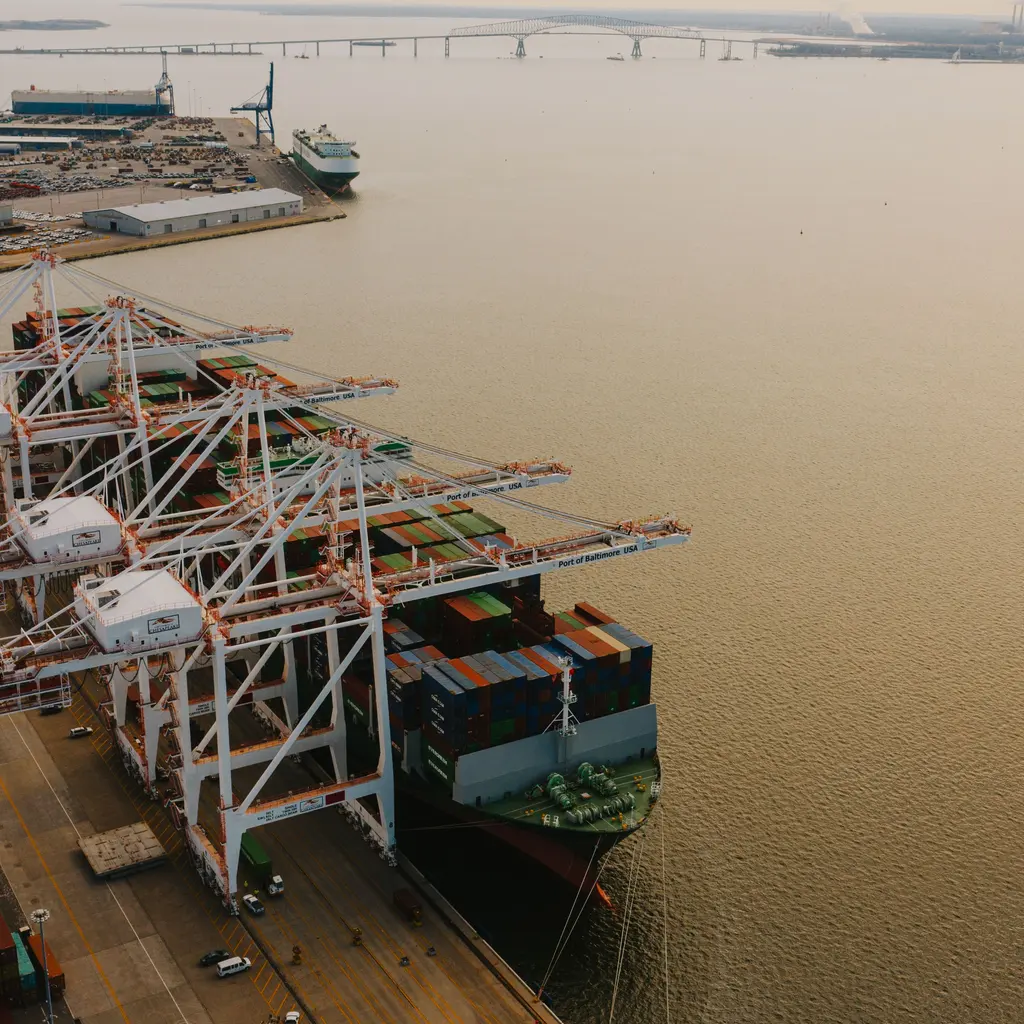
You move freight along the coast and may also arrange road transport at the dock. A load can be damaged during offloading or on a truck, with responsibility changing as the shipment passes between operators.
The Southern Agency can review your water and road stages to help you select insurance. We can compare the cargo and liability terms for each handoff, alongside the vessels, vehicles, and equipment your business actually operates.
Loading, water carriage, and truck delivery create several loss points.
Grounding and strikes to fixed structures create marine claims.
Drayage vehicles can collide or lose freight.
Crew and dock or road staff may need different injury protection.
Releases and delayed connections create different liabilities.
Policies to ask about. Which ones fit depends on your operations, your contracts, and the carrier’s forms.
These hypothetical examples are not agency claim results. Whether a loss is covered depends on the facts, policy terms, and applicable exclusions.
Suppose freight is dropped while being transferred from vessel to dock. Establish who held custody and performed the lift, then compare the accepted handling stage and carriage liability terms. A dockside location does not itself settle responsibility or establish cargo-owner property protection.
Suppose a drayage truck overturns after collecting freight. Auto terms may address eligible vehicle or third-party losses, but goods aboard need accepted cargo or carriage terms for that leg. Identify the actual truck operator and custody transfer rather than assuming a subcontract or auto limit covers all three.
Suppose a vessel grounds near port and releases fuel. Hull repair, pollution response and liability to others require their respective marine grants. Review the cause, insured vessel and actual charter responsibilities; a delayed onward truck connection is a separate loss from the casualty.
Start with the work you do and the questions your current policies leave unanswered. Carrier options depend on your location, risk, and underwriting. Explore our approach.
Water and road interests need coordination where both are operated.
Responsibility depends on custody and contracts, not simply a loss occurring at the dock.
Auto alone does not insure the goods; cargo terms must include the road leg.
Actual duties and jurisdictions determine crew and shore injury provisions.
Grounding-related fuel cleanup needs an accepted pollution trigger.
Schedule pressure can lead to disputes, but delay-only remedies are not automatically insured cargo claims.
Bring your questions, current policies, and relevant contracts. An agent can review coverage terms, exclusions, and the information carriers ask for, then explain the options available to you.