Skip to content

Offshore Supply Vessel Insurance

You may be holding station while a crane or bulk connection transfers a load to an installation. Marine protection needs to fit those actual systems and stages, with carried products and offshore contract duties accepted explicitly.

The Southern Agency can review your vessel systems and alongside transfers with you, using the actual field work and service agreements.

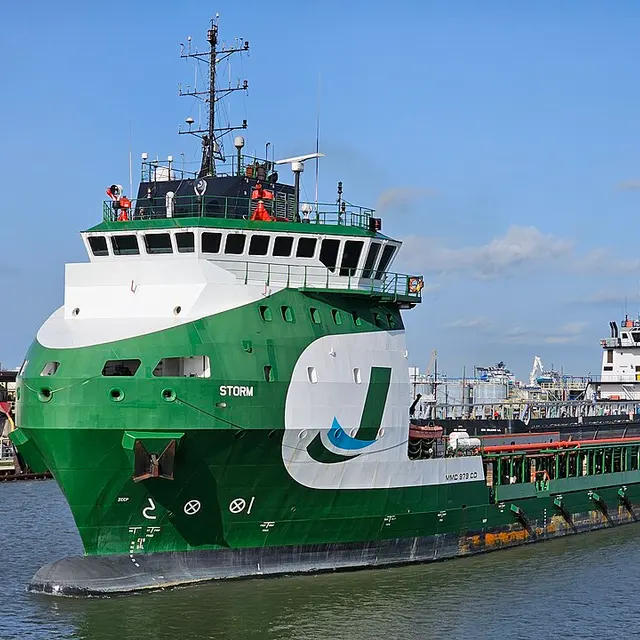
A green-and-white offshore supply vessel underway.

Industry overview

You operate vessels that transport equipment and fluids to offshore installations. Maintaining station while transferring products to a structure can be hazardous, and a failure during the connection process may result in environmental or equipment damage.

The Southern Agency can review your offshore service contracts and transfer procedures to help select appropriate insurance. We can discuss how to protect your vessel and crew, including how coverage for station-keeping systems and product transfers fits your operations.

Risks worth discussing

Platform contact

Losing position beside an installation can damage a platform or riser as well as your vessel. Actual positioning systems, field, transfer duties and service-contract allocations matter to hull and marine operating liability separately.

Deck cargo

Loads can shift, fall or be damaged during transfers.

Bulk products

Fuel and drilling-fluid handling can lead to pollution.

Crew transfers

Open decks, lifts, and personnel transfers can cause injury.

Machinery and distance

Engine, crane or positioning failure can interrupt transfers far from repair support. Distinguish damaged machinery, assistance or tow-back, cargo and service income rather than assume one breakdown grant pays all remote-response costs.

Situations to think through

These hypothetical examples are not agency claim results. Whether a loss is covered depends on the facts, policy terms, and applicable exclusions.

  1. Hypothetical: Contact during resupply

    Imagine a vessel loses position during resupply and contacts a platform. Compare the accepted field, positioning/transfer work, operator duties and marine liability with the damage claim. Hull repair and platform damage are different interests; the service agreement does not itself insure every assumed obligation.

  2. Hypothetical: Fluid transfer hose fails

    Suppose a transfer hose fails and carried fluid escapes beside the installation. Establish the product, connection stage, responsible parties and release, then compare purchased cleanup/other-party terms and reporting/consent. Lost product, hose repair and fines require separate review.

  3. Hypothetical: Deckhand injured during a lift

    Suppose a deckhand is injured while connecting a load for transfer. Identify the employer, vessel, lift/transfer duty and applicable maritime injury arrangements. A shore-base compensation policy or the customer's indemnity does not establish every crew benefit.

Before you talk to an agent

What to have ready

Tick items as you gather them. Nothing here is saved or sent.

Questions to raise

  • List deck cargo, bulk-fluid and any personnel services separately, including whose goods move and when custody transfers. Ordinary portable-equipment protection does not establish waterborne or alongside transfer cover.
  • Disclose operating fields, navigation limits, positioning systems and platform interfaces. Compare accepted hull, offshore operating liability and actual service-contract duties with issued terms.
  • Estimate repair access, tow-back, assistance and replacement capacity. Separate purchased response/income benefits from every remote delay, lost service fee, cargo replacement or regulatory expense.

Contract terms to check

  • Service agreements can allocate broad indemnities and insured-status duties. Compare those promises with actual offshore endorsements; insurance does not establish regulatory compliance.

What the agent conversation looks like

Start with the work you do and the questions your current policies leave unanswered. Carrier options depend on your location, risk, and underwriting. Explore our approach.

  1. ListenReview your operations, current coverage, and past claims.
  2. AssessIdentify potential hazards and discuss ways to reduce risk.
  3. BuildDiscuss policy and carrier options, premium costs, and audits.
  4. SupportReview changes and help you plan ahead as your needs develop.

Questions owners ask

What insurance does an offshore supply vessel typically need?

Review vessel/hull and machinery, accepted waterborne cargo/transfer, offshore marine operating liability, crew and pollution interests for actual fields and contracts. Ordinary shore property, GL or inland marine does not establish those vessel and offshore benefits.

Do oilfield contracts change my insurance requirements?

Bring the actual master service and job terms, indemnities, insured-status requests and lift/transfer duties. Compare them with issued offshore/marine endorsements and excess. A broad promise to an operator does not amend an exclusion or guarantee all assumed obligations can be insured.

Is deck cargo covered while en route to a platform?

Identify owner, product, peak value, voyage, stowage and loading/transfer handoffs. Compare direct cargo versus carriage-liability terms and accepted waterborne and alongside stages. Portable-equipment wording does not itself insure customer deck loads, bulk fluid or every dropped lift.

How is pollution handled offshore?

Review actual fuels/carried products, field, transfer or casualty cause and insured responsibility against purchased cleanup/other-party terms. Notice, consent and prior-condition restrictions matter. Cargo replacement, equipment repair, compliance and every regulatory expense are separate questions.

How are OSV crews covered if injured?

Describe actual employer, vessel, deck/lift/transfer and any personnel-service tasks, with shore duties separately. Review applicable maritime crew/shore provisions under actual rules rather than assume ordinary state compensation includes every offshore worker.

What if a vessel breaks down far offshore?

Compare the insured machinery event with accepted repair, assistance/salvage and any income provisions, navigation limits and response costs. Include positioning and crane dependencies, access and restart time. Remoteness or a canceled resupply alone does not establish all rescue, repair or lost fees insured.

Talk through your offshore supply vessel coverage

Bring your questions, current policies, and relevant contracts. An agent can review coverage terms, exclusions, and the information carriers ask for, then explain the options available to you.

How can we help you get started?

Choose the quote that fits, and we’ll take it from there.

Have a question? Contact us