

Constrained navigation
Locks, bridges and confined approaches leave less room for a loaded tow. A contact can damage your vessel and a structure at once, creating distinct hull and marine operating claims.
Try a different word, or check the spelling.
Your low-water or ice delay can interrupt a passage without the same loss as damaged freight or machinery. Waterborne cargo and marine liability need the actual route and carriage duties, rather than rely on an inland-marine or package label.
The Southern Agency can review your navigation limits and freight handoffs with you before comparing vessel, cargo, crew and shoreside terms.
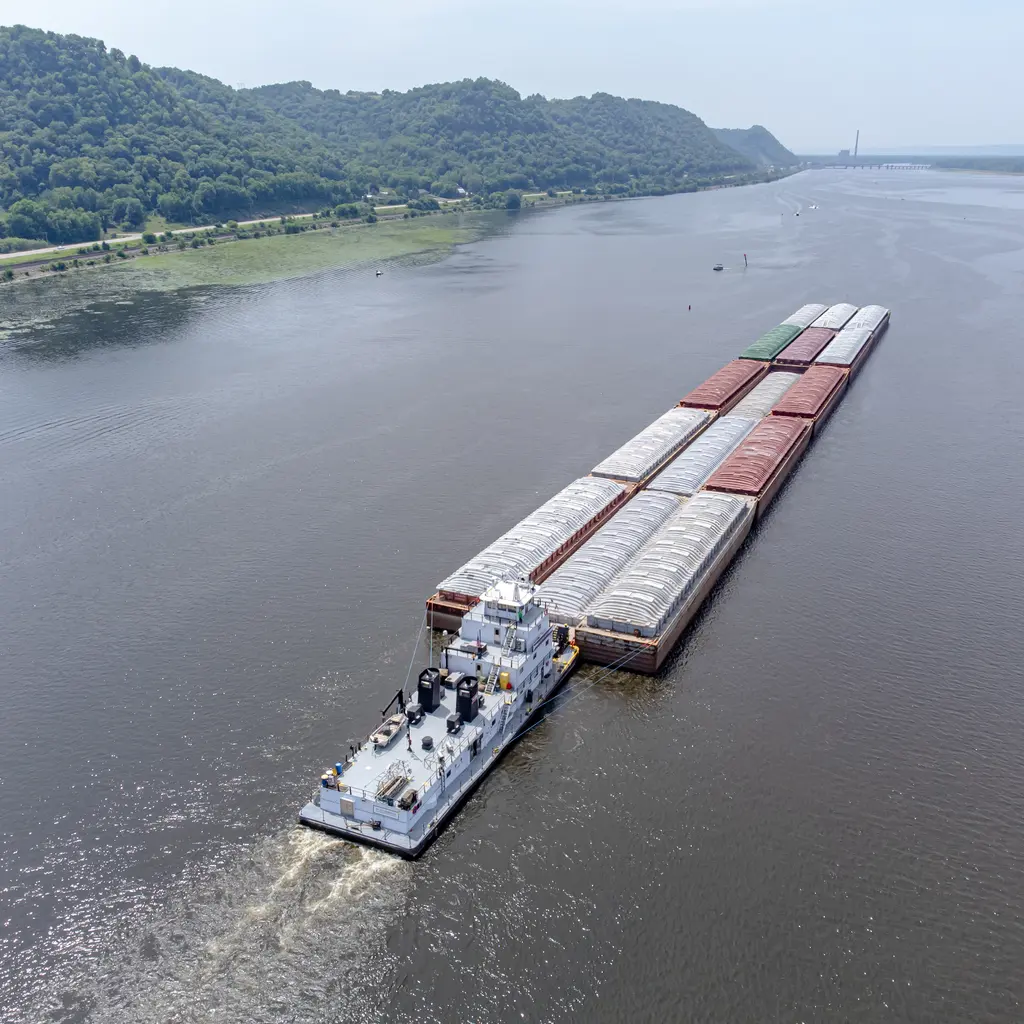
You navigate inland waterways using freight vessels to transport goods. Navigating locks and bridges involves risk, where a grounding or wetted cargo can result in unexpected property loss or liability to a cargo owner.
The Southern Agency can review your freight contracts, vessel routes, and cargo responsibilities to help select appropriate insurance. We can discuss how marine property and liability policies may address hull damage or cargo protection while working through locks.
Locks, bridges and confined approaches leave less room for a loaded tow. A contact can damage your vessel and a structure at once, creating distinct hull and marine operating claims.
Low water or ice can restrict a route, ground a vessel or simply delay passage. Actual navigation acceptance and cause matter; waiting on the channel is not the same loss as damaged hull or freight.
Water entry, load shifting or contamination can affect commodities between terminals. Ownership, loading/hatch duties, inspections and carriage terms shape the direct cargo and liability review.
Line, ratchet and coupling work can injure tow crews; terminals and shore handling create other duties. Actual employer, work and applicable maritime arrangements matter beyond an ordinary compensation label.
Fuel or liquid cargo escaping after grounding or handling damage can prompt cleanup and other-party demands. The insured material, site, responsibility and reporting differ from cargo replacement and navigation delay.
Policies to ask about. Which ones fit depends on your operations, your contracts, and the carrier’s forms.
These hypothetical examples are not agency claim results. Whether a loss is covered depends on the facts, policy terms, and applicable exclusions.
Suppose a tow contacts a lock wall and damages both the barge and structure. Compare actual operator/tow responsibility, accepted waters, hull and marine operating liability terms. Ordinary shoreside GL or a cargo schedule does not insure all structure, vessel and delay costs.
Suppose a commodity arrives wet after an inland passage. Keep loading, hatch and condition evidence and identify who owns the load. Compare direct cargo protection with insured carriage liability, causes and valuation; a wet shipment does not establish carrier fault or every owner's full-value recovery.
Suppose grounding damages a fuel tank and fuel reaches the river. Identify responsibility, release, material and location, then compare accepted cleanup/other-party triggers, notice and consent. Hull repair, cargo replacement, ordinary handling and fines need separate terms.
Start with the work you do and the questions your current policies leave unanswered. Carrier options depend on your location, risk, and underwriting. Explore our approach.
Review hull/machinery, actual waterborne cargo and carriage responsibility, marine operating liability, crew/shore duties and pollution interests. A shore package or ordinary inland-marine label does not itself insure the vessels or every river transit; accepted marine terms must fit the work.
Identify operators, tow agreement, structure and vessel damage, and navigation accepted. Marine operating liability and hull address different interests; compare each with actual limits and excess attachment. A shoreside GL label or tow contract does not establish every repair or delay cost insured.
Establish cargo ownership, condition, cause and loading/discharge duties, then compare contracts and applicable rules. Review direct cargo versus carrier-liability terms and accepted commodities, valuation and limits. Loss alone does not prove you owe or are insured for the owner's full value.
Disclose actual waters and seasonal restrictions and compare navigation conditions in offered terms. Grounding damage, ice damage and ordinary waiting can have different treatment. A delayed passage or canceled order alone does not establish covered vessel, freight or income loss.
Describe each employer, vessel and line/coupling duties, repairs and shore handling. Compare applicable maritime crew and shore-worker provisions under actual rules; ordinary state workers' compensation should not be assumed to cover every person working the tow.
Identify the actual material, location, release cause and responsibility, including transfer and grounding stages. Review accepted cleanup/other-party claims, prior conditions, notice and consent separately from hull/cargo repair, routine handling and fines. A spill does not itself establish every expense insured.
Bring your questions, current policies, and relevant contracts. An agent can review coverage terms, exclusions, and the information carriers ask for, then explain the options available to you.