

Product allegations
Consumers may allege harvested shellfish caused illness.
Try a different word, or check the spelling.
Your beds can close over water-quality restrictions even when the vessel, gear, and shore chilling equipment are undamaged. Income, product, and marine terms need different triggers, with consumer illness, withdrawal, and an inability to harvest reviewed separately.
Bring actual beds and harvest methods, traceability and chilling duties, alongside vessel, deployed-gear and crew details.
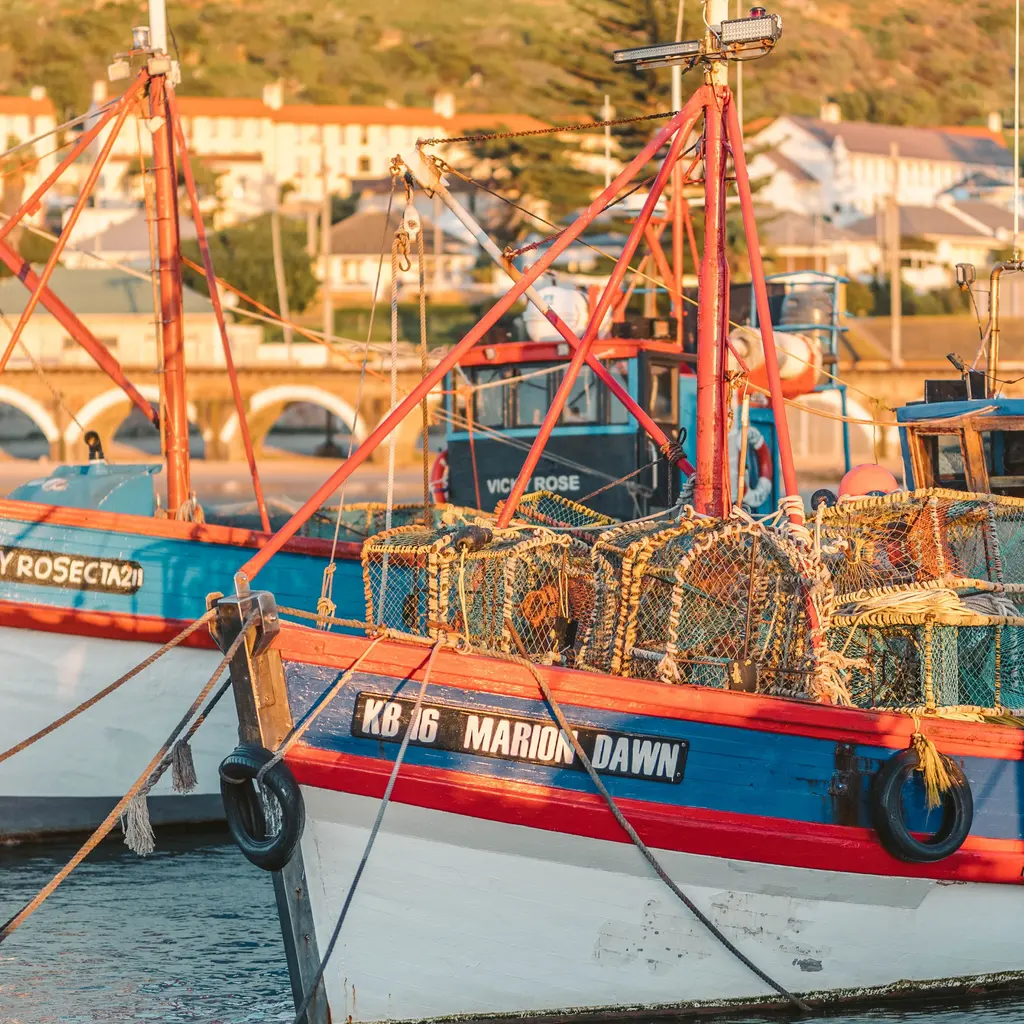
You harvest shellfish using gear like dredges or tongs and maintain the catch until you land. A potential illness claim tied to your product or a vessel incident while working on the water can expose your business to liability and equipment loss.
The Southern Agency can review your harvesting methods, processing equipment, and storage procedures to help select appropriate insurance. We can help you evaluate how your product liability and marine coverage address your catch, crew, and gear.
Consumers may allege harvested shellfish caused illness.
Water-quality restrictions can interrupt harvesting without damaging owned property.
Dredges and winches expose crews to injury.
Grounding can damage a vessel working beds.
Chilling failures and fuel releases involve different insured interests.
Policies to ask about. Which ones fit depends on your operations, your contracts, and the carrier’s forms.
These hypothetical examples are not agency claim results. Whether a loss is covered depends on the facts, policy terms, and applicable exclusions.
Suppose a consumer alleges illness from oysters linked to your harvest. Traceability and handling facts help identify actual product responsibility under liability terms. An allegation does not establish causation, and recall, withdrawal or a buyer's rejected shipment needs separate review.
Suppose the harvesting boat grounds on a falling tide. Review actual navigation and accepted harvesting use under hull terms before comparing eligible repair costs. Damaged deployed gear, crew injury and inability to reach the beds are separate interests, not automatic additions to vessel repair.
Suppose chilling fails before landing and the catch must be discarded. Spoilage requires accepted shellfish inventory, a qualifying cause and applicable limits. Repairing equipment, product injury liability and water-quality closure losses have different triggers; discarding catch alone does not establish recovery.
Start with the work you do and the questions your current policies leave unanswered. Carrier options depend on your location, risk, and underwriting. Explore our approach.
Product terms can address insured consumer allegations without automatically covering recalls.
Closure-only losses need specific review; ordinary property income may not trigger.
Dredge work needs the appropriate maritime crew injury arrangement.
Gear values and perils must match deployed equipment; wear or snagging may be restricted.
Discarded catch needs accepted spoilage interests and causes, separate from machinery repair.
Leased beds can change location and contractual duties; disclose the actual arrangement.
Bring your questions, current policies, and relevant contracts. An agent can review coverage terms, exclusions, and the information carriers ask for, then explain the options available to you.