

Shared living
Illness allegations can involve dining and close-contact areas.
Try a different word, or check the spelling.
Your guests can book a voyage, use a tender, dine, and visit a bar under the same passenger relationship. Marine and hospitality liability need those actual services and jurisdictions, while passenger-data response and lost-voyage interests require distinct terms.
Review actual itineraries, tender and excursion operators, onboard service duties and flag or crew arrangements.
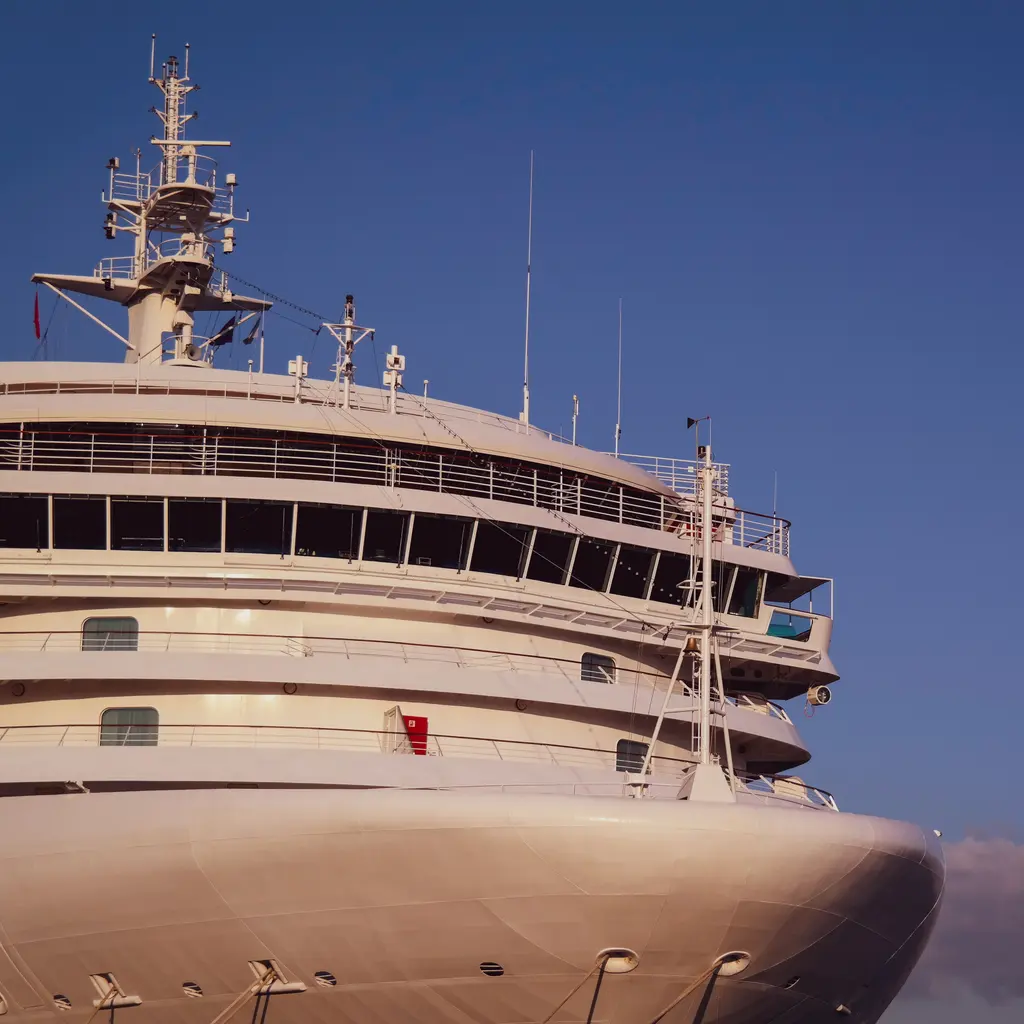
You provide travel and hospitality services aboard cruise ships, including food, transport, and activities. An illness claim from a passenger or a mechanical failure during a voyage can result in significant operational and liability costs.
The Southern Agency can review your passenger services, onboard operations, and data-handling practices to help select appropriate insurance. We can help you evaluate how marine liability, cyber coverage, and equipment breakdown provisions support your ship and guests.
Illness allegations can involve dining and close-contact areas.
Decks, pools, tenders, and entertainment create different injury claims.
Bars and lounges add service responsibility.
Bookings may retain payment, identity, and travel information.
Casualty, machinery, crew, and itinerary duties require separate terms.
Policies to ask about. Which ones fit depends on your operations, your contracts, and the carrier’s forms.
These hypothetical examples are not agency claim results. Whether a loss is covered depends on the facts, policy terms, and applicable exclusions.
Suppose passengers allege illness following a sailing. Review the actual alleged source, service duties and applicable marine passenger and communicable-disease terms. An illness report alone does not prove the ship caused harm, and withdrawal, cleaning, refunds and assistance costs need their own benefits.
Suppose a passenger alleges that a stair condition caused a fall between decks. Review the actual condition, operator duties and accepted marine passenger activities. Shore premises liability does not establish onboard response, and an excursion contractor or tender may have different insured roles.
Suppose an intrusion exposes booking and identity records across ship and shore systems. Cyber terms may address a covered event and eligible response or privacy claims for included entities. Actual processor responsibilities, payment assessments and itinerary interruption remain distinct questions.
Start with the work you do and the questions your current policies leave unanswered. Carrier options depend on your location, risk, and underwriting. Explore our approach.
Review hull, passenger, crew, data, pollution, and hospitality interests together without assuming one form covers all.
Illness allegations depend on passenger and disease wording and the facts.
Alcohol service must fit the marine and hospitality liability arrangements.
Cyber concerns retained booking and onboard records, including identity data.
Actual roles, flag, and applicable arrangements determine crew injury provisions.
Repair, assistance, income, and refunds are distinct interests; weather-only itinerary changes are not automatically insured.
Bring your questions, current policies, and relevant contracts. An agent can review coverage terms, exclusions, and the information carriers ask for, then explain the options available to you.