

Assisted ships
A maneuver or failed line can damage another vessel.
Try a different word, or check the spelling.
Your towage agreement may accept more responsibility than the maneuver alone would create. Ship-assist and excess liability should fit those actual commitments, separately from tug machinery repairs, the assisted ship and your shore premises.
The Southern Agency can work through your berthing, escort and towage duties with you, including the contracts and tug systems behind each assist.
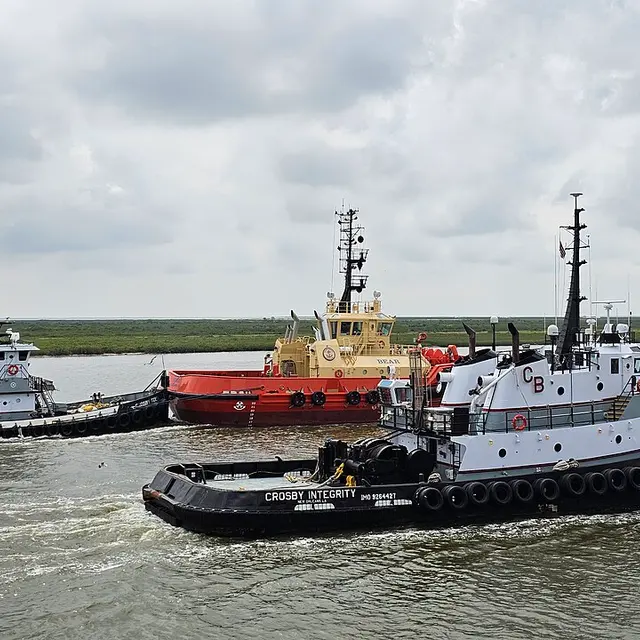
You provide tug services to assist larger vessels with maneuvering in close quarters. A fire aboard your tug or damage to an assisted ship during a tow can create complex liability interests.
The Southern Agency can review your towage agreements and ship-assist activities to help select appropriate insurance. We can help you assess if your marine policies provide coverage for tug machinery or third-party damage occurring during a maneuver.
A maneuver or failed line can damage another vessel.
Close work can damage piers, fenders, and docks.
Towage terms may allocate liability beyond ordinary responsibility.
Heavy lines and winches create serious injury exposure.
Propulsion, towing machinery, and fuel releases affect service.
Policies to ask about. Which ones fit depends on your operations, your contracts, and the carrier’s forms.
These hypothetical examples are not agency claim results. Whether a loss is covered depends on the facts, policy terms, and applicable exclusions.
Suppose a line parts during berthing and the assisted ship contacts a pier. Keep the maneuver and line records and compare actual towage duties with marine ship-assist liability. Damage to the ship, pier and tug can involve different interests; proximity and a port contract do not establish every party's liability or insurance.
Suppose an engine-room fire damages the tug and interrupts scheduled assists. Hull/machinery terms may address insured physical damage; repair, assistance and selected loss-of-income provisions need separate comparison. Canceled jobs and ordinary maintenance are not automatically insured.
Suppose grounding damages a tug fuel tank and releases fuel beside a berth. Review the insured vessel, release cause, cleanup/other-party interests and reporting or consent requirements. Hull repair, routine fuel handling and every regulatory cost do not follow automatically from pollution cover.
Start with the work you do and the questions your current policies leave unanswered. Carrier options depend on your location, risk, and underwriting. Explore our approach.
Review hull/machinery, marine ship-assist/towage liability, actual crew/shore arrangements and fuel pollution, with relevant excess. Ordinary shore GL or building property is not substitute vessel protection. The offered marine forms must include the tug, waters and work you actually accept.
Keep the maneuver, line and incident records and identify who directed each stage. Responsibility depends on facts and towage terms, not simply being alongside. Compare actual ship-assist, contractual and assisted-vessel restrictions with marine liability; a contract does not create every requested benefit.
Describe actual employers, vessel and shore duties, including line handling, winches and repairs. Compare applicable maritime crew and shore-worker injury arrangements under the actual rules; ordinary state compensation should not be assumed to fit every tug worker.
Yes. Bring indemnities, liability allocations, additional-insured requests and subcontract duties before agreeing them. Compare issued marine endorsements and excess with the actual assisted ships and maneuvers. A contract or certificate does not expand exclusions or guarantee all assumed obligations can be insured.
Check the vessel, fuel, release cause, location and insured responsibility in the pollution terms, including cleanup/other-party costs and reporting or consent. Routine handling, prior conditions, hull repair and fines need separate review; fuel reaching water does not establish all bills covered.
Identify the actual casualty or machinery event and selected income provisions, waiting/restoration periods, limits and available backup capacity. Hull repair does not itself prove lost-assist revenue insured. Routine servicing, contract loss and every port delay need their own cause review.
Bring your questions, current policies, and relevant contracts. An agent can review coverage terms, exclusions, and the information carriers ask for, then explain the options available to you.