

Tow control
A parted connection or lost tow can send a barge into a moored vessel or fixed structure. Tow building, fleeting handoffs and actual owner/operator duties matter separately from repairing your tug.
Try a different word, or check the spelling.
Your tow may include barges and cargo whose owners are not the same as the tug's. Marine liability, cargo and machinery terms should follow the tow-building and carriage duties you accept, separately from a lock closure or ordinary dock-premises claim.
The Southern Agency can help you separate the tug, tow and freight interests using your actual navigation and handoff responsibilities.
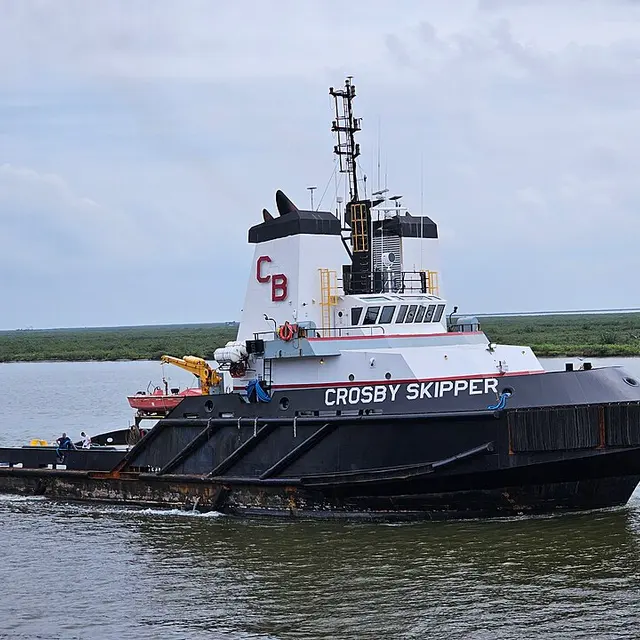
You push or tow barges, building and controlling a tow through the waters you serve. A breakaway or grounding can affect barges and cargo you do not own as well as your tug, and a bridge or moored vessel can become part of the same claim.
The Southern Agency can review your towage contracts, cargo responsibilities, and vessel operations to help select appropriate insurance. We can discuss how your marine and tow liability coverage addresses risks related to the barges you control.
A parted connection or lost tow can send a barge into a moored vessel or fixed structure. Tow building, fleeting handoffs and actual owner/operator duties matter separately from repairing your tug.
Changing channels or low water can ground a tug or barge, while a restriction can merely delay the trip. Accepted navigation and actual physical damage matter beyond a missed arrival.
Wetting, shifting or contamination can damage another owner's freight. Identify whether you provide towing, carriage or both and compare commodity, custody and contract duties with direct cargo and liability interests.
Tow building and failed steering or towing gear introduce injury and casualty risks.
Pollution and lock closures have different insurance triggers.
Policies to ask about. Which ones fit depends on your operations, your contracts, and the carrier’s forms.
These hypothetical examples are not agency claim results. Whether a loss is covered depends on the facts, policy terms, and applicable exclusions.
Suppose a barge breaks away and strikes a moored vessel. Keep tow-building, line and handoff records and compare actual towage responsibility with marine liability. The tug, barge and struck vessel are different interests; being the towing operator does not itself establish every full-value claim covered.
Suppose part of the tow contacts a bridge, damaging a barge and the structure. Review accepted waters, tow arrangement and operator duties under marine liability, with hull and barge interests separately. A cargo value or port contract is not insurance for every structure, vessel or closure expense.
Suppose grounding damages a loaded barge and liquid cargo escapes. Establish cargo owner, product, release and towing/carriage duties, then compare pollution cleanup/other-party terms with cargo liability. Replacing the product, hull repair and regulatory costs do not automatically follow one release trigger.
Start with the work you do and the questions your current policies leave unanswered. Carrier options depend on your location, risk, and underwriting. Explore our approach.
Review actual tug/barge interests, navigation, tow/carriage duties, crew and pollutants. Hull/machinery, marine towing liability and accepted waterborne cargo need their own terms; ordinary shore property, GL or inland marine does not establish cover for the whole tow.
Identify tow-building, line, mooring and fleeting duties and keep incident/handoff records. Responsibility depends on facts and contracts, not an automatic rule. Compare marine tow liability and relevant exclusions separately from direct damage to the tug, barge, cargo and other property.
Review actual cargo owner, commodities, values, route and receipt/delivery duties. Direct waterborne cargo insurance and your towing/carriage liability are different interests. A policy on your tug or a generic inland-marine description does not insure every load or promised full value.
Describe actual employers, vessels and tow-building, coupling, line, repair and shore tasks. Compare applicable maritime crew and shore-worker arrangements under actual rules. Ordinary state compensation should not be assumed to fit every worker involved in the tow.
Disclose actual barge products and fuels, transfer stages and responsibility. Compare insured release conditions, location, cleanup/other-party costs, notice and consent with cargo terms. A release does not itself insure all replacement product, hull repair, fines or contract obligations.
Identify whether the tow is simply waiting or has actual vessel, machinery or cargo damage. Review any purchased income/interruption terms and navigation restrictions against that cause. Lock closure, ice or low-water waiting and delivery penalties alone do not establish insured breakdown or revenue.
Bring your questions, current policies, and relevant contracts. An agent can review coverage terms, exclusions, and the information carriers ask for, then explain the options available to you.