

Machine tips on a ramp
Loading and unloading can damage valuable machinery and injure people nearby.
Try a different word, or check the spelling.
Your ramp, winch and binders can be damaged independently of the machine they load. Machinery-haul protection should distinguish portable gear, fitted truck equipment, and customer cargo, with maximum unit values and the actual lifting or unloading work accepted rather than assumed.
Talk with The Southern Agency about your operation, policy terms, and the information carriers need.
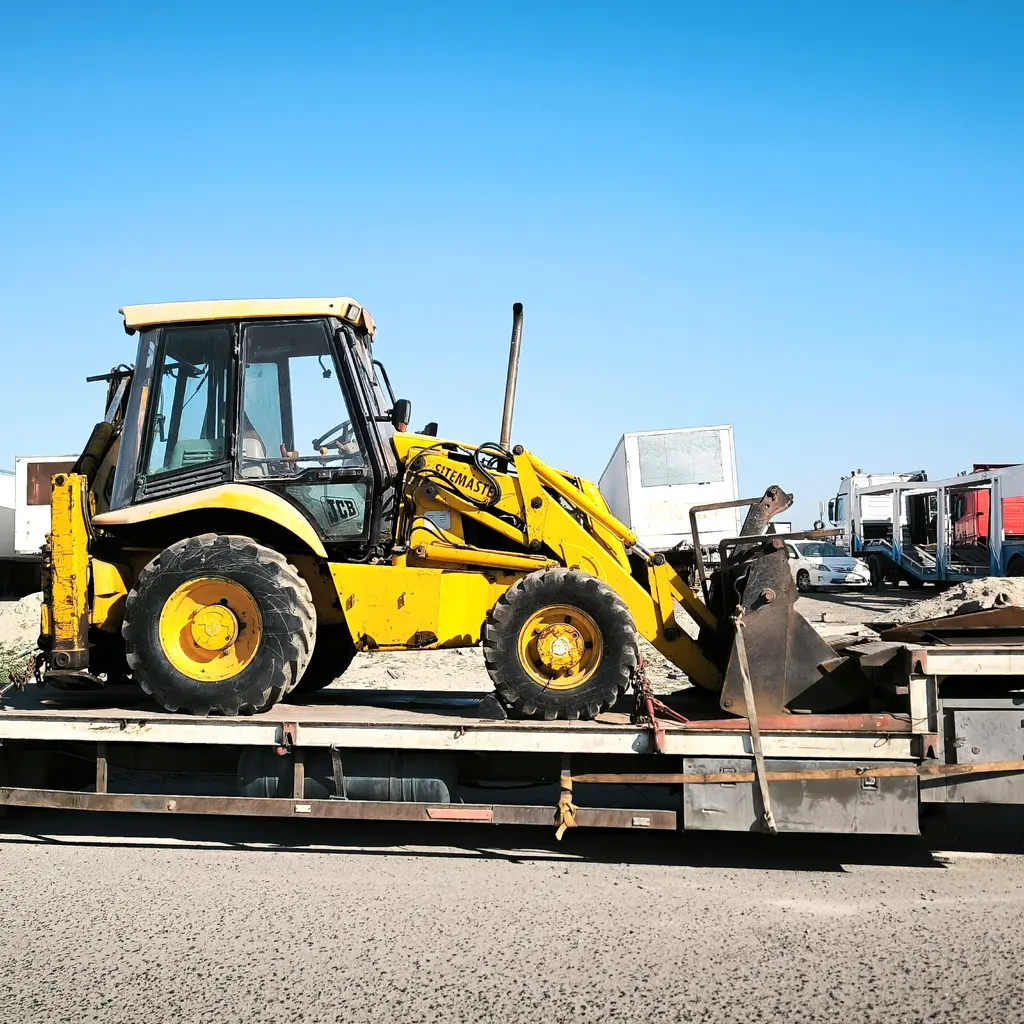
You haul heavy machinery between jobsites and rental yards, requiring precise loading and securement. A mistake during the securement process can lead to serious road accidents or damage to expensive equipment.
The Southern Agency can review your loading procedures and equipment-handling duties to help you select appropriate insurance. We can help you identify coverage that specifically addresses machinery cargo values, which ordinary transit insurance may limit.
Loading and unloading can damage valuable machinery and injure people nearby.
A shifting or tall machine can strike infrastructure or leave the trailer, creating cargo and third-party claims.
Workers, uneven ground and other machines complicate where and how a load is unloaded.
Ramps, winches and binders travel with the truck and can be damaged or stolen independently of the cargo.
Policies to ask about. Which ones fit depends on your operations, your contracts, and the carrier’s forms.
These hypothetical examples are not agency claim results. Whether a loss is covered depends on the facts, policy terms, and applicable exclusions.
The machine tips during loading. Cargo protection depends on the insured handling stage and loading exclusions.
Both the load and bridge are damaged. Auto liability and cargo respond to different interests under their terms.
A crew member is injured using binders. The applicable employee injury arrangement determines benefits.
Start with the work you do and the questions your current policies leave unanswered. Carrier options depend on your location, risk, and underwriting. Explore our approach.
Describe who operates the machine and how it is loaded, secured and unloaded, as well as the road journey. Confirm accepted stages and methods, maximum values and any lifting or self-propelled-loading restrictions; cargo and nearby-property damage are different interests.
Only when the cargo terms include that stage and method. Lifting or self-propelled loading restrictions can matter.
Review scheduled portable-equipment values and fitted vehicle items separately, including theft and off-site conditions.
Dimensions can trigger permits, escorts, and route restrictions. Review the actual move rather than assuming every machine is oversize.
The incident may involve auto, site liability, or custody terms. Define who unloads and what work is accepted.
Review machine cargo value separately from third-party liability severity; one limit or umbrella does not address both.
Bring your questions, current policies, and relevant contracts. An agent can review coverage terms, exclusions, and the information carriers ask for, then explain the options available to you.