

Clearance and infrastructure strikes
Overheight or wide loads can hit structures or power lines. Overweight movement can also cause road or bridge claims.
Try a different word, or check the spelling.
Recovering a damaged transformer is a different expense from repairing it or the road it traveled. Compare heavy-haul cargo and recovery terms with the surveyed load, route duties and actual staging points.
Talk with The Southern Agency about your operation, policy terms, and the information carriers need.
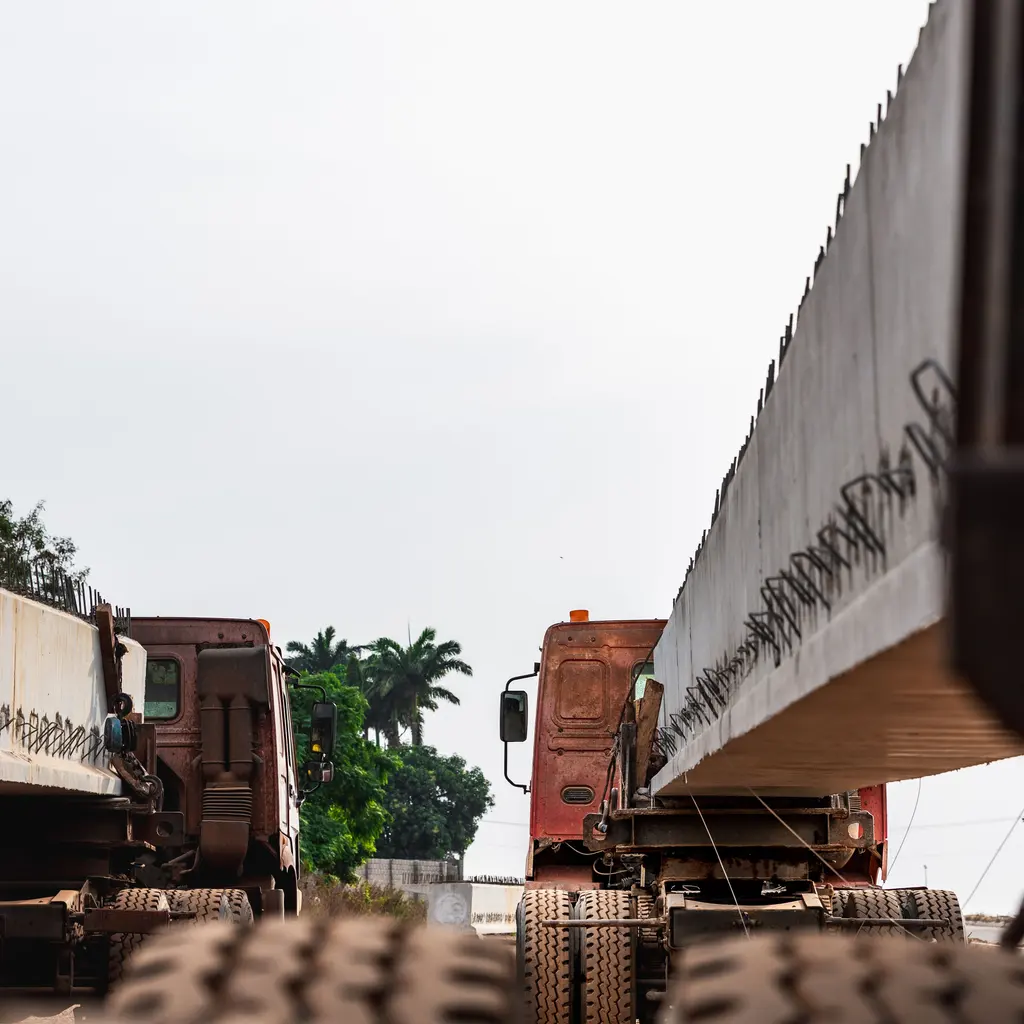
You move freight that requires specialized route planning and clearance, where a failure to gauge height or weight can result in infrastructure damage and costly cargo loss. These operations involve significant physical and logistical challenges before the move even begins.
The Southern Agency can review your hauling equipment and permitting requirements to help you select appropriate insurance.
Overheight or wide loads can hit structures or power lines. Overweight movement can also cause road or bridge claims.
A damaged transformer or large fabricated component can be difficult to repair and expensive to recover.
A wrong turn or failed handoff can create a collision. Permits, escorts, and operating restrictions vary by move.
Jacks, chains, and cranes expose workers to crush and fall hazards while positioning a load.
Policies to ask about. Which ones fit depends on your operations, your contracts, and the carrier’s forms.
These hypothetical examples are not agency claim results. Whether a loss is covered depends on the facts, policy terms, and applicable exclusions.
A clearance error causes the load to strike an overpass, and the bridge owner seeks repair costs. Accepted auto liability may address covered resulting property damage. Fault, actual dimensions, weight and infrastructure exclusions matter; the route permit is not proof that every assumed repair or delay cost is insured.
A transformer shifts and is damaged during the permitted move. Cargo terms may address covered physical damage at the accepted valuation, subject to securement conditions and the cause. Recovery or salvage expense and damage to the trailer need their own terms; permission to use the route does not establish those benefits.
A crew member is injured while securing a heavy component. Workers compensation may provide covered medical and wage-loss benefits under the actual employer, worker-status and state arrangements. Declare rigging and loading duties, and distinguish subcontracted crews from employees rather than assuming all people at the lift share one policy.
Start with the work you do and the questions your current policies leave unanswered. Carrier options depend on your location, risk, and underwriting. Explore our approach.
Large dimensions and cargo values create clearance, infrastructure, and recovery risks beyond a routine truckload movement.
Potentially, under suitable auto liability terms. Review load, weight, and infrastructure exclusions before relying on coverage.
Only the actual authority or project requirements can answer that. Bonds and liability insurance serve different purposes.
Scheduled inland marine or equipment terms may protect it, subject to values, covered causes, and lifting exclusions.
Disclose who surveys and escorts the move. Compliance does not itself guarantee coverage, and penalties may be excluded.
Consider severe third-party injury, infrastructure repair, and cargo values separately, then compare contract requirements and available terms.
Bring your questions, current policies, and relevant contracts. An agent can review coverage terms, exclusions, and the information carriers ask for, then explain the options available to you.