

Close-contact car movements
Coupling, throwing switches, and riding equipment expose crews to crush and fall injuries.
Try a different word, or check the spelling.
The car you spot can contain someone else's lading beside a siding and dock owned by the customer. Switching protection should identify those custody and operating duties, with the engine, tank-car cleanup, and employee injury framework distinguished from a contract's numerical liability limit.
The Southern Agency can review your customer-track agreements and car-handling duties against proposed rail, custody and workforce insurance terms.
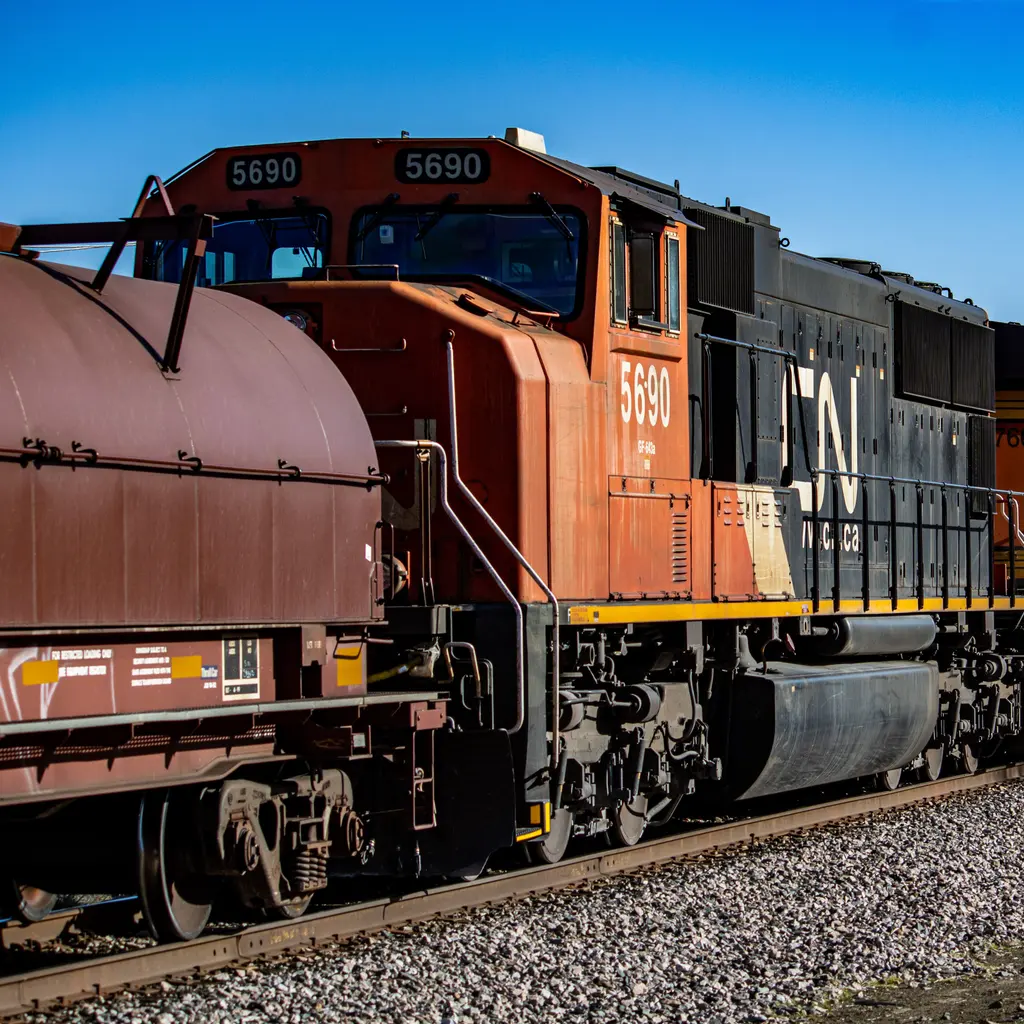
You sort and place rail cars for customer loading, often operating on tracks owned by others. This work requires crews to be near moving equipment, creating risks for both employees and the customer property you are handling.
The Southern Agency can review your switching agreements and equipment-handling duties to help you select appropriate insurance. We can help you determine how liability applies to the cars in your care, while separating employee-injury obligations from fixed-asset property insurance.
Coupling, throwing switches, and riding equipment expose crews to crush and fall injuries.
A spotting error can damage a railcar, its lading or the customer's siding and loading dock.
A tank-car incident can release cargo and create cleanup costs beyond ordinary property damage.
A disabled switch engine can stop customer work, while indemnities can add liability beyond the provider's own negligence.
Policies to ask about. Which ones fit depends on your operations, your contracts, and the carrier’s forms.
These hypothetical examples are not agency claim results. Whether a loss is covered depends on the facts, policy terms, and applicable exclusions.
A coupling crew member is hurt between two cars and brings a claim. The actual employer, railroad work and applicable law determine whether the review concerns FELA liability or state compensation. Bring the employment and switching arrangements so the appropriate injury coverage and its liability or benefit terms can be assessed.
A spotting move pushes a customer's car into its loading dock, and the owner seeks repairs to both. A rail-operating policy may help defend the claim and pay covered damages. Inspect custody provisions for the car and property-damage terms for the dock, alongside insured roles, valuation and the switching agreement.
A car derails on a customer's siding during sorting and damages the track. The customer demands reimbursement from the switching service. The claim review considers cause, track inspection and maintenance responsibilities and the switching agreement. Covered defense and damages depend on the rail form's insured entities, operations and contract provisions.
Start with the work you do and the questions your current policies leave unanswered. Carrier options depend on your location, risk, and underwriting. Explore our approach.
It remains rail work, but concentrated spotting, coupling, and customer-property duties differ from line-haul service.
Only suitable rolling-stock, cargo or custody protection should be relied on; an inland marine heading alone is insufficient.
Review the legal employer, work, and applicable law. FELA and state compensation are different arrangements, not interchangeable labels.
Disclose the commodities, duties, and spill response responsibilities so pollution terms can be reviewed expressly.
They can broaden obligations and request limits. Actual policy acceptance must be assessed independently of the contract.
Covered physical damage or a qualifying insured breakdown may apply; routine maintenance and customer delay penalties may remain uninsured.
Bring your questions, current policies, and relevant contracts. An agent can review coverage terms, exclusions, and the information carriers ask for, then explain the options available to you.