

Measurement disputed
A customer may blame an incorrect ticket for charges or a rejected load. A ticket does not guarantee legal compliance.
Try a different word, or check the spelling.
Routine calibration is a different cost from repairing a failed load cell, even when both interrupt paid weighing. Your station protection should fit those equipment and income terms, with ticket allegations, lot traffic and a customer's fines distinguished from a guarantee of legal compliance.
Talk with The Southern Agency about your operation, policy terms, and the information carriers need.
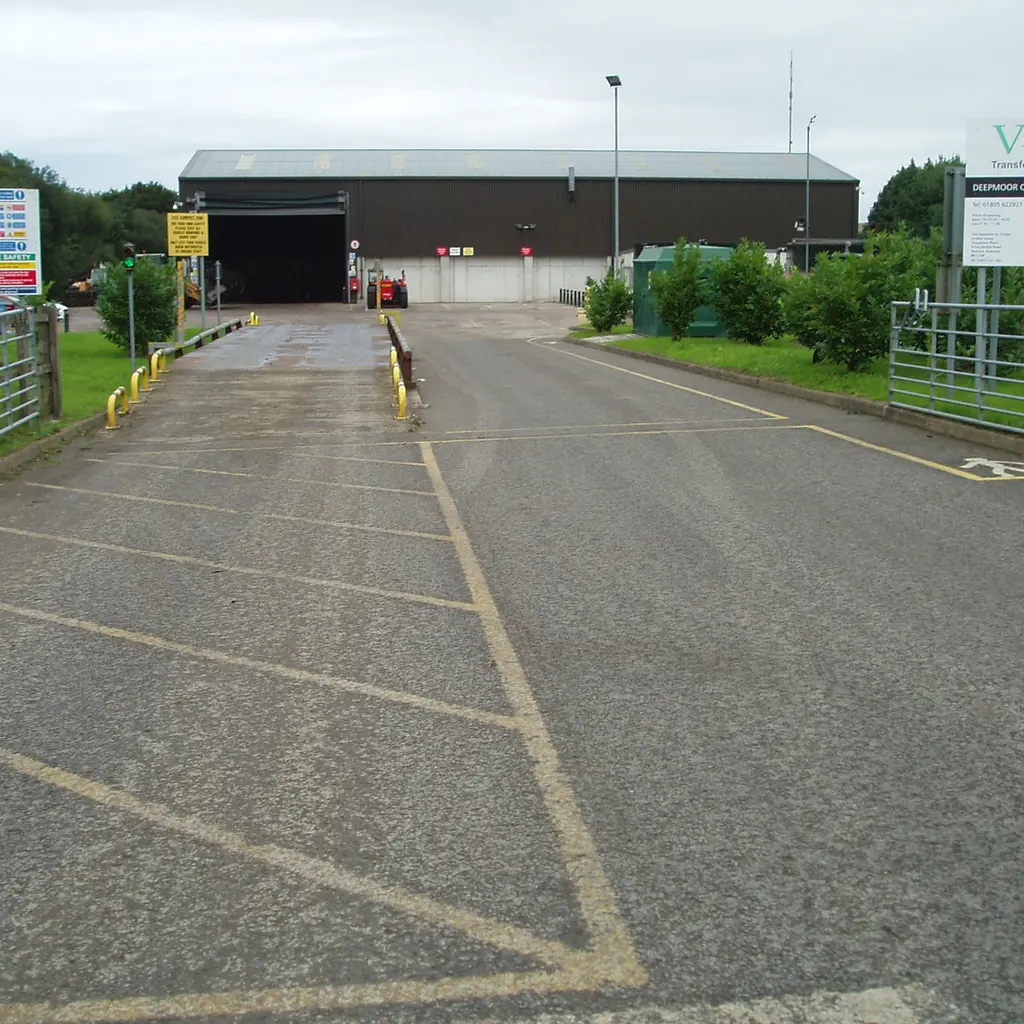
Your station measures commercial trucks and provides weight tickets for customer billing or shipping, creating liability for both the measurement service and the busy traffic on your lot. An error in weight certification or a site injury can lead to significant disputes or claims.
The Southern Agency can review your measurement equipment, scale-house operations, and site traffic to help you select appropriate insurance. We can help you clarify how professional liability coverage addresses weighing services while commercial property covers your scale structures and signage.
A customer may blame an incorrect ticket for charges or a rejected load. A ticket does not guarantee legal compliance.
Load cells, controls, and platforms can fail and stop paid weighing. Calibration and routine servicing are separate costs.
Queues and reversing trucks create injury and vehicle-impact exposure around staff, customers, and structures.
Shipment and billing information can be exposed; outdoor inspections add weather and slip hazards for employees.
Policies to ask about. Which ones fit depends on your operations, your contracts, and the carrier’s forms.
These hypothetical examples are not agency claim results. Whether a loss is covered depends on the facts, policy terms, and applicable exclusions.
A carrier disputes a fine after relying on a reading. E&O depends on insured services, fault, and penalty exclusions.
Weighing stops during business hours. Breakdown and linked income terms determine eligible repair and interruption costs.
A visitor is struck while walking on the site. Premises duty and the truck's auto liability may require separate analysis.
Start with the work you do and the questions your current policies leave unanswered. Carrier options depend on your location, risk, and underwriting. Explore our approach.
Customers rely on readings for financial decisions. Suitable E&O may address covered negligence, but fines and guarantees can be excluded.
A failure can stop revenue, but only qualifying equipment and linked income losses are covered. Calibration and wear remain distinct.
Consider premises liability, scheduled property, breakdown, measurement E&O, employee injury, and relevant data protection.
Covered vehicle impact may fall under property terms or a third-party claim. Overload and internal failure can receive different treatment.
Yes. Truck movement near people creates premises and employee hazards, with auto and site liabilities assessed separately.
Review the shipment, customer, and payment information retained and any network-connected scale controls.
Bring your questions, current policies, and relevant contracts. An agent can review coverage terms, exclusions, and the information carriers ask for, then explain the options available to you.