

Loss during a long lodging build
Fire, windstorm, or theft of materials at a multi-story hotel site can destroy work in progress and threaten a brand-mandated opening date.
Try a different word, or check the spelling.
A hotel opening changes the property from a construction site into a place receiving guests. Coverage needs to make that transition with you, including any franchise obligations you have accepted.
The Southern Agency can help you review your development obligations and construction risks to choose suitable insurance.
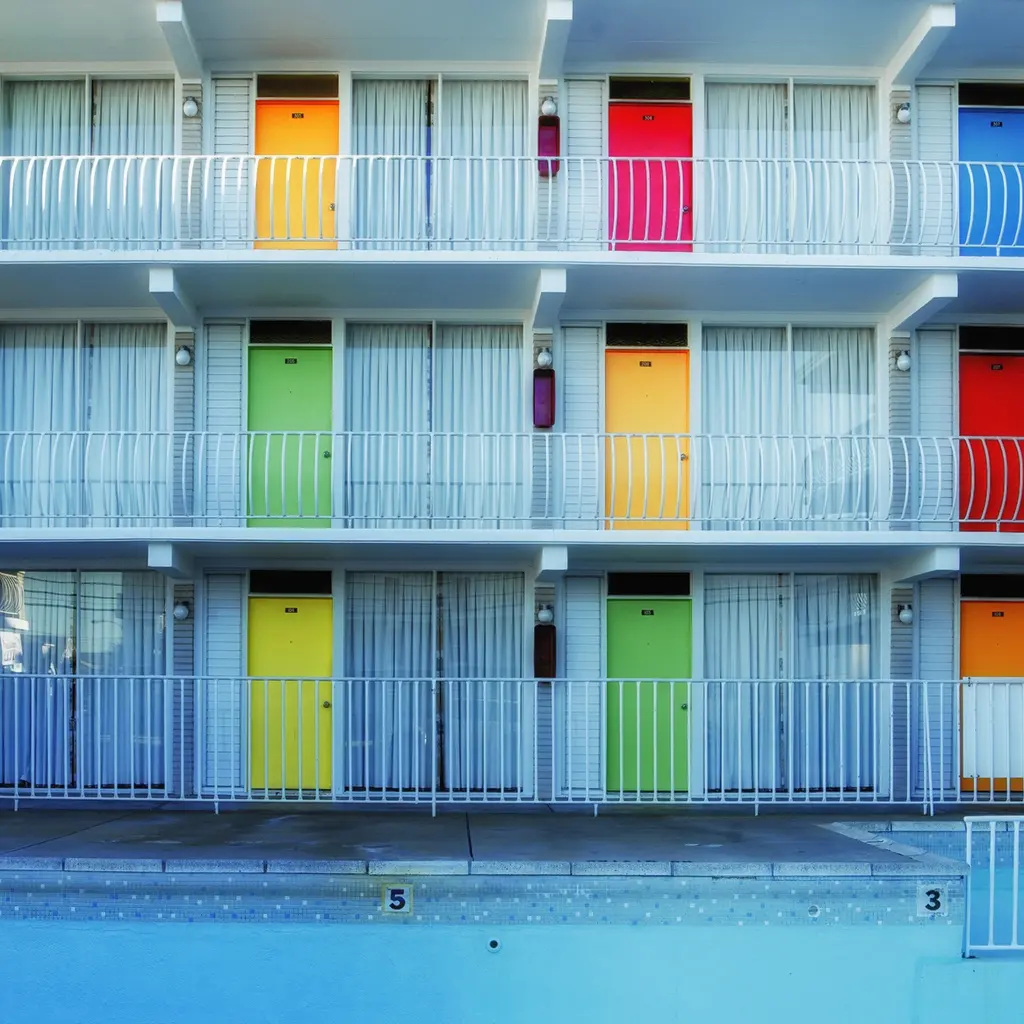
You finance and develop hospitality properties, overseeing everything from site preparation to complex building-system installations. Developing under a franchise flag introduces specific brand standards and contractual obligations that define your management role.
The Southern Agency can review your development structure and franchise agreements to help you select insurance. We can discuss construction-stage property and liability needs and the changes required when the completed hotel begins operating.
Fire, windstorm, or theft of materials at a multi-story hotel site can destroy work in progress and threaten a brand-mandated opening date.
Franchisors impose detailed construction and insurance standards, and falling short can jeopardize the flag and financing for the project.
Pools, commercial kitchens, spas, and mechanical systems add installation, fire, and water-intrusion risk specific to hospitality projects.
A covered loss or delay can extend interest costs and strain commitments to lenders and brand partners tied to opening dates.
Grading and excavation for a hotel pad can disturb contaminated soil or send runoff onto neighboring property.
Raising capital and governing the project entity can expose principals to claims from investors, lenders, or franchise partners.
Moving from a job site to an operating hotel can create coverage gaps if construction and operating policies are not coordinated.
Policies to ask about. Which ones fit depends on your operations, your contracts, and the carrier’s forms.
These hypothetical examples are not agency claim results. Whether a loss is covered depends on the facts, policy terms, and applicable exclusions.
A windstorm damages a nearly complete hotel's roof and guest floors weeks before the scheduled opening. A builders risk policy may respond to repair costs and certain delay exposures, depending on policy terms and the facts.
A lender alleges schedule mismanagement threatens the brand opening. Identify defendants and insured management capacity and review actual D&O entity, contract/debt and professional/construction exclusions and reporting terms. A missed opening, loan obligation or flag-performance promise alone is not an insured management claim.
Excavation uncovers contamination. Identify prior knowledge/site reports, insured site/operations, discovery/reporting dates, and actual remediation or third-party demands. Do not assume a contractor pollution policy pays pre-existing soil cleanup or ordinary development costs.
Start with the work you do and the questions your current policies leave unanswered. Carrier options depend on your location, risk, and underwriting. Explore our approach.
A franchise agreement may specify construction standards, limits and endorsements. Bring the actual flag, lender and operator requirements for comparison with proposed policies. The Southern Agency can help review the differences; a requested limit, certificate or brand approval does not establish that every term can be insured.
Builders risk may help protect the hotel structure, amenities, and systems during construction against fire, wind, and theft, subject to the limits and schedule disclosed in the policy.
Moving from construction to operations can create gaps. Coordinating builders risk with the hotel's operating property and liability program may help keep coverage continuous, subject to policy terms.
Grading and excavation can disturb soil or alter drainage. Environmental liability may respond to cleanup and runoff claims, depending on the policy, endorsements, and facts.
Developers raise capital and negotiate with lenders and franchise partners who may later dispute decisions. Directors and officers coverage may respond, depending on the specific policy and exclusions.
Pricing commonly reflects project value, room count, amenity scope, brand requirements, timeline, site conditions, and claims history. A tailored quote reflects how your specific project is structured.
Bring your questions, current policies, and relevant contracts. An agent can review coverage terms, exclusions, and the information carriers ask for, then explain the options available to you.