

Access and common-area injuries
Customers walk and drive near gates, doors, and loading areas. Poor lighting, damaged surfaces or a gate malfunction can lead to an injury allegation against the operator.
Try a different word, or check the spelling.
If you sell stored property, notice or authorization errors can raise different claims from damage to the unit. Facility insurance needs any wrongful-sale and tenant-goods terms reviewed explicitly, with buildings, gates, and lost rent distinguished from the tenant's own contents policy.
Talk with The Southern Agency about your operation, policy terms, and the information carriers need.
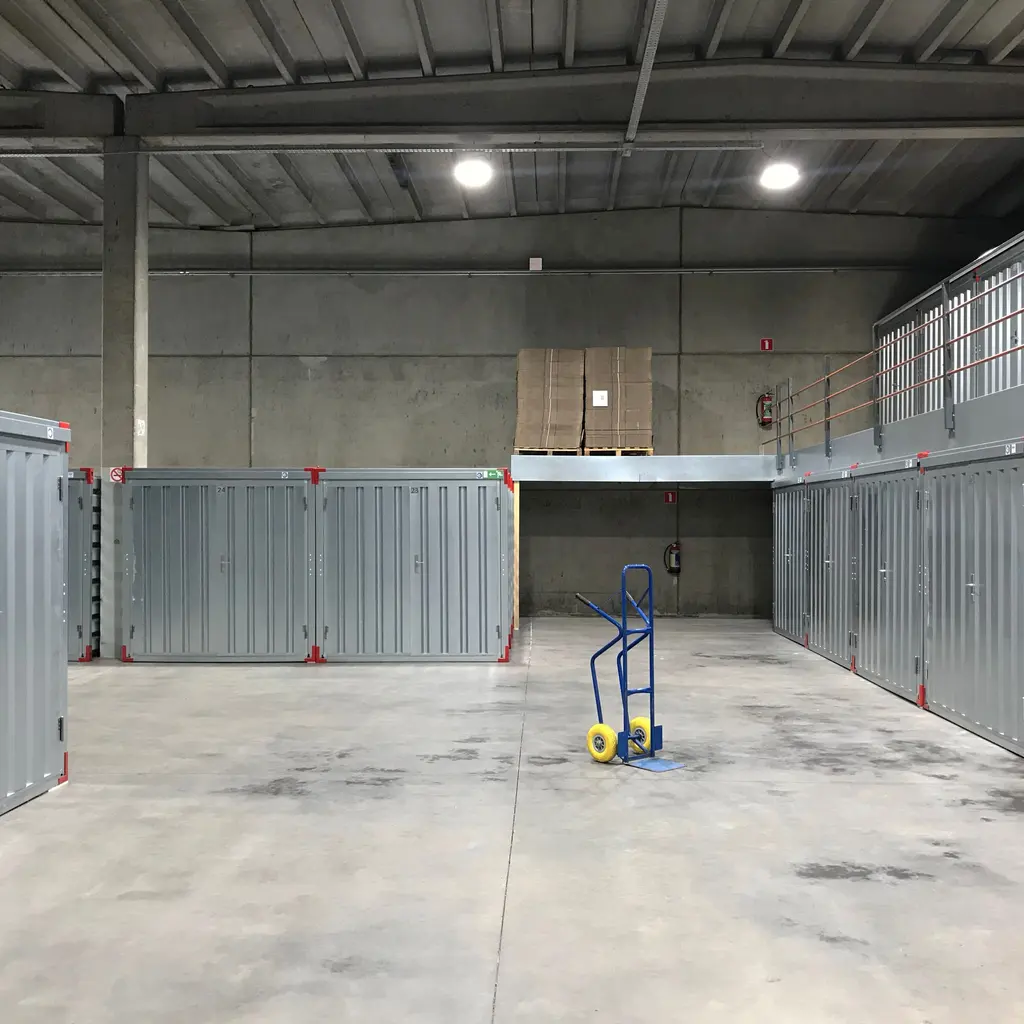
You provide rental units for tenants who store their own personal or business items, while you maintain the property and common areas. A fire or visitor injury can lead to significant repair costs and potential disputes regarding the belongings left inside the units.
The Southern Agency can review your site management and lease arrangements to help you choose the right insurance for your business. We can discuss how to protect your buildings and site liability, while noting that your insurance is distinct from the coverage tenants need for their own stored goods.
Customers walk and drive near gates, doors, and loading areas. Poor lighting, damaged surfaces or a gate malfunction can lead to an injury allegation against the operator.
Fire or storm damage can make units unusable. Repair values should reflect the buildings and site features insured, while lost rent needs an applicable income provision.
Tenants may allege that maintenance or security failures led to stolen or damaged goods. Lease language does not by itself decide legal liability or establish insurance for their belongings.
A notice, account or authorization error during a sale of stored property can lead to a wrongful-sale allegation. The legal process and the availability of specialty liability coverage need separate review.
Online reservations and recurring payments involve tenant information. Dishonest handling of business money and a data breach raise different questions from damage to doors during a break-in.
Policies to ask about. Which ones fit depends on your operations, your contracts, and the carrier’s forms.
These hypothetical examples are not agency claim results. Whether a loss is covered depends on the facts, policy terms, and applicable exclusions.
A tenant trips on a damaged common-area surface and seeks compensation. General liability may help defend the operator and pay covered damages. The facts determine liability, and any medical-payments benefit has separate conditions.
An account mix-up leads the operator to sell goods from the wrong unit. A specialty wrongful-sale liability provision may address a covered claim. Ordinary general liability should not be assumed to cover it; conversion and intentional-act exclusions require review.
A reservation vendor reports unauthorized access to tenant records. The operator incurs response costs and faces complaints. Cyber coverage may help if outsourced incidents and the relevant information are included, subject to reporting, consent, and limits.
Start with the work you do and the questions your current policies leave unanswered. Carrier options depend on your location, risk, and underwriting. Explore our approach.
It focuses on the facility business. A tenant should review their own property policy or tenant-storage cover, including exclusions and limits for goods away from home.
No. Responsibility depends on the agreement, conduct, and applicable law. Discuss the actual service and any tenant-goods legal liability coverage; do not rely on a disclaimer alone.
Do not assume it does. Ask about a specific wrongful-sale provision and its exclusions, and keep legal review of sale procedures separate from insurance review.
Damage to insured doors or buildings may fit property coverage if the cause is covered. Crime terms address selected theft and fraud losses, not every criminal act.
An additional limit does not automatically create missing coverage. Confirm the scheduled underlying policies and the umbrella or excess form's own exclusions.
Bring your questions, current policies, and relevant contracts. An agent can review coverage terms, exclusions, and the information carriers ask for, then explain the options available to you.